
New Delhi, August 10, 2026 (Yes Punjab News)
The Foreign Contribution (Regulation) Amendment Bill, 2026 seeks to tighten oversight of foreign funding in India while retaining a legal framework for genuine international contributions to development, humanitarian and charitable activities.
The government has maintained that the proposed changes are aimed at strengthening transparency, accountability and national security rather than restricting legitimate foreign donations. The Foreign Contribution (Regulation) Act (FCRA) requires organisations receiving overseas contributions to operate through registered and accountable channels and disclose how such funds are received and utilised.
The proposed amendments seek to address operational gaps, provide greater clarity in enforcement, introduce mechanisms for judicial revision and appeal, and rationalise penalties.
A key provision provides for a Designated Authority that can take over and manage assets created from foreign contributions when an organisation’s FCRA registration is cancelled, surrendered or not renewed. The authority may also facilitate the sale of such assets where required.
Organisations affected by an order would have 90 days to seek revision, followed by a right of appeal before a district judge.
Government officials have pointed out that thousands of NGOs continue to remain registered under the FCRA and receive foreign contributions, arguing that the law is intended to regulate and disclose overseas funding rather than prohibit civil society activity.
According to government-linked figures cited in reports, more than Rs 55,741 crore in foreign contributions entered India through 13,520 organisations between 2019 and 2022.
The government has also compared India’s framework with foreign-funding regulations in countries including the US, UK, Australia and Canada, where laws seek to address concerns surrounding foreign influence and financial transparency.
However, several NGOs have expressed concern that stricter compliance requirements could discourage international philanthropy and affect sectors such as healthcare, education, disaster relief and humanitarian assistance.
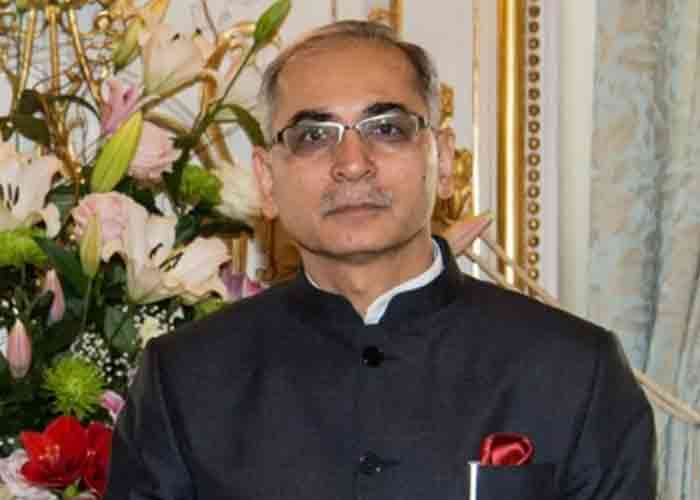
India’s Ambassador to the US, Vinay Mohan Kwatra, defended the proposed framework, saying it does not prohibit Indians from receiving foreign donations or shut down law-abiding civil society organisations.
“The fact is that the law does not forbid Indians from receiving foreign donations or shut down law-abiding civil society,” Kwatra said in a social media post on Monday, adding that tens of thousands of associations registered under the FCRA continue to receive overseas funds for health, education, research, disaster relief and humanitarian activities.
Kwatra also sought to address concerns over possible seizure of NGO assets, including those belonging to religious charities, hospitals, schools and places of worship. He said foreign contributions and assets created from them already vest with a state government authority when an organisation’s registration is cancelled or surrendered, a provision that has been in place since 2010.
According to him, the 2026 Bill would create a designated authority to safeguard such assets while providing a mechanism for their restoration if the organisation’s registration is subsequently restored. In such a situation, the assets and unused foreign funds would be returned in full.
He further said properties associated with places of worship would be transferred to another FCRA-registered organisation of the same faith to ensure continuity of worship.
The FCRA was first enacted in 1976 and replaced by a new law in 2010. It was subsequently amended in 2016, 2018 and 2020, with the 2026 Bill proposing another set of changes to the regulatory framework.
Kwatra described the latest legislation and proposed rules as another step towards greater transparency, improved governance and clearer regulations.
The government maintains that the framework is necessary to prevent the diversion of foreign contributions for unauthorised or activities considered detrimental to national interests. Critics, however, remain concerned about the extent of regulatory control over civil society organisations.
The proposed legislation therefore seeks to balance two competing objectives: enabling genuine international funding for development and humanitarian work while ensuring that foreign contributions do not compromise financial transparency, institutional accountability, national security or sovereignty.
 FOLLOW NOW