
New Delhi, August 14, 2026 (Yes Punjab News)
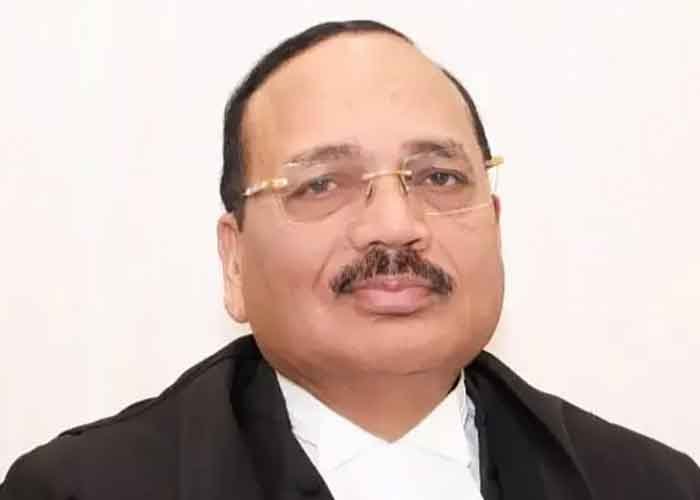
Chief Justice of India Surya Kant on Friday described the Bar Council of India’s (BCI) intervention in the controversy involving the National Academy of Legal Studies and Research (NALSAR) University of Law as “completely unnecessary” and affirmed that students have a fundamental right to protest, even when their views may be incorrect.
The issue came up before the Supreme Court during a hearing on letters issued by the BCI to NALSAR following a student protest over the university’s invitation to CJI Kant to attend its convocation as chief guest.
Senior Advocate K. Parameshwar, appearing in the matter, argued that the BCI had no authority to intervene in the affairs of a university.
Responding to the submission, CJI Kant said the dispute essentially concerned the students and the Court and did not require the intervention of the statutory regulator.
“This is a dialogue between the students and me. Who are they to raise this issue? It is completely unnecessary,” the CJI observed.
Justice Kant said he had actively participated in student activities himself and stressed that young people should have the freedom to express dissent.
“Even if students are wrong, they have a right to protest. The BCI has no role in this matter,” he said.
The Supreme Court issued notice in the case and passed an interim order directing that no punitive action be taken against any NALSAR student or faculty member, or against students or faculty of any other National Law University, in connection with the controversy.
During the hearing, the BCI accepted notice and informed the Court that the circular under challenge had already been withdrawn. The Supreme Court, however, granted the regulatory body two weeks to file its response.
The Court also specifically directed that no adverse action be taken against NALSAR students over the incidents referred to in the disputed letters.
Emphasising the importance of allowing young people to engage in democratic expression, CJI Kant said, “Just because a person makes an incorrect statement in their youth does not mean they lose the right to protest.”
In a conciliatory gesture, the Chief Justice also encouraged the students to enrol with and join the Supreme Court Bar. He said they would also be included in panels for legal aid programmes and courses.
The controversy originated with a letter signed by a group of NALSAR students protesting the invitation extended to CJI Kant for the university’s convocation.
The students referred to what they described as alleged inaction by the CJI over claims of police excesses during recent protests at Delhi’s Jantar Mantar. They said they were uncomfortable receiving their degrees from a dignitary whose recent public conduct, in their view, appeared dismissive of serious allegations of police brutality against protesting citizens.
 FOLLOW NOW