

National Award-winning costume designer Neeta Lulla has revisited her experience of working on Sanjay Leela Bhansali’s 2002 period drama Devdas, recalling how the film transformed the way costume departments operated in Indian cinema.
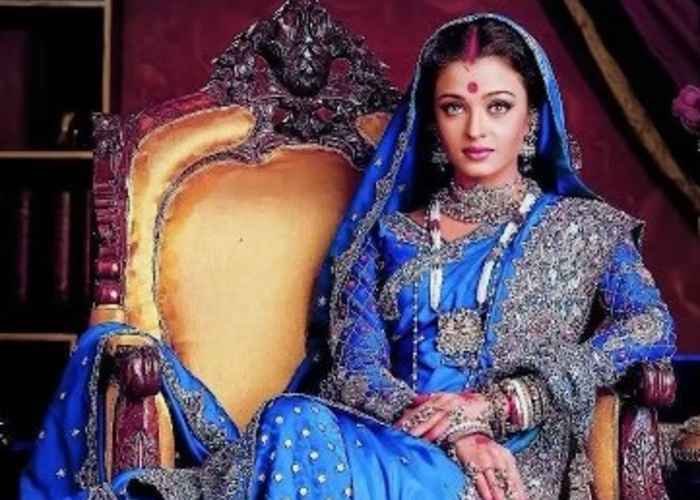
Neeta shared a video featuring archival photographs and looks created for Aishwarya Rai Bachchan’s character Paro, along with memories from the making of the Shah Rukh Khan and Madhuri Dixit-starrer.
Recalling the scale of the project, Neeta said she was still a relatively new designer at the time and worked from a modest 350-400 square-foot workshop with just five or six master tailors.
“How we created these outfits, how we worked day and night, and created the look for Devdas still amazes me,” she said.
According to Neeta, Devdas also marked the first time she sought dedicated assistance on a film. Bhansali provided her with five costume assistants who were responsible for monitoring the actors’ looks on set and maintaining continuity.
She described the arrangement as a significant development in Indian filmmaking, where costume assistants became an integral part of ensuring that elaborate costumes remained consistent throughout production.
In her social media caption, Neeta said Devdas was more than a cinematic spectacle and helped reshape the execution of costume design in Indian cinema.
“My team and I worked day and night from a small workshop in a grandiose that made history,” she wrote, highlighting the hundreds of handcrafted costumes, multiple characters and intricate continuity involved in the production.
She added that costume design evolved into a department requiring detailed planning, precision and close collaboration, with the grandeur visible on screen being the result of extensive work behind the scenes.
Devdas, which also starred Jackie Shroff, Kirron Kher, Smita Jaykar and Vijayendra Ghatge, was based on Sarat Chandra Chattopadhyay’s 1917 Bengali novel of the same name.
The film follows Devdas Mukherjee, a wealthy law graduate who returns from London hoping to marry his childhood friend Parvati, or Paro. After his family rejects the match, Devdas spirals into alcoholism and emotional decline before finding solace in the compassionate courtesan Chandramukhi.
The film remains widely remembered for its lavish production design, elaborate costumes and performances, with its visual style becoming a defining feature of Bhansali’s cinema.
 FOLLOW NOW