
Chandigarh, September 17, 2026 (Yes Punjab News)
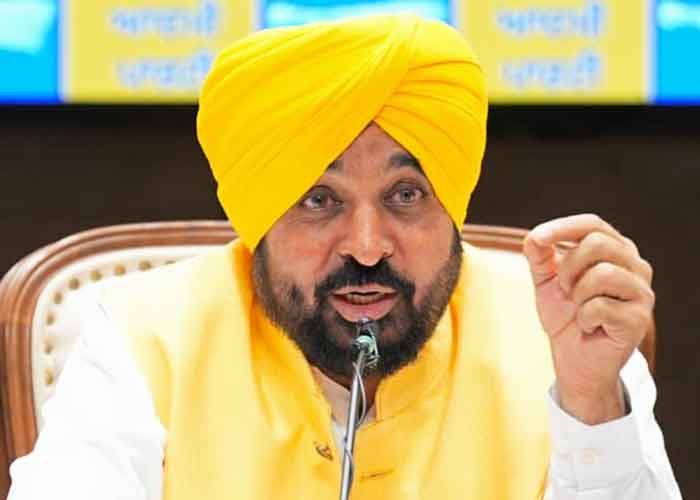
The Punjab government led by Chief Minister Bhagwant Mann has nominated 11 non-official members to the State Mental Health Authority (SMHA), giving fresh impetus to the regulation and strengthening of mental healthcare services in the state.
The move is aimed at strengthening implementation of the Mental Healthcare Act, 2017, while ensuring greater accountability, quality of services and protection of the rights and dignity of persons with mental illness.
The SMHA is the state’s apex statutory body responsible for regulating the mental healthcare system, prescribing quality and service standards, registering specified mental health professionals and advising the government on mental health policy.
The Authority will oversee implementation of the Mental Healthcare Act and monitor, regulate and improve mental health services in accordance with its provisions.
The move assumes significance as Punjab continues to expand its mental health and de-addiction services under its flagship initiative, Yudh Nasehan Virudh.
While the official members of the SMHA include senior officers from the Health, Medical Education and Social Welfare departments, the 11 nominated non-official members represent different segments of the mental healthcare ecosystem, including psychiatrists, psychologists, psychiatric social workers, nurses, persons with mental illness, caregivers and NGOs.
The broader representation is intended to bring the experiences of patients, families and caregivers alongside administrative and professional expertise into the functioning of the Authority.
At the district level, Mental Health Review Boards, headed by a District Judge or an eligible judicial officer, are also functioning. These Boards provide an independent mechanism to review admissions and treatment decisions, consider complaints and alleged rights violations, examine advance directives and nominated representatives, and inspect mental health establishments where required.
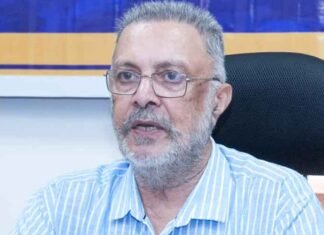
Among the nominated members is senior psychiatrist Dr Satyen Sharma, who said the constitution of the SMHA provided an important framework for developing mental healthcare in Punjab around quality and accountability.
“The constitution of the State Mental Health Authority is an important step towards ensuring that mental healthcare in Punjab develops with both quality and accountability at its core,” Dr Sharma said.
He said the rights-based framework would need to be translated into services that people could access, trust and benefit from, with attention to dignity, continuity of treatment, rehabilitation and the needs of families and caregivers.
Dr Sharma, who hails from Patiala, said mental health services had begun reaching people closer to where they lived and stressed the importance of strengthening district and community-level services.
“For a state like Punjab, strengthening services at the district and community level is particularly important so that people have access to treatment for not only physical but also mental ailments,” he said.
Dr Satish K. Thapar, a senior mental health professional and another nominated member, said Punjab had its own mental health challenges and required solutions responsive to the needs of its people and communities.
He described the government’s efforts to strengthen mental health and de-addiction services, along with the strengthening of the SMHA, as steps towards building a more consistent and accountable system across the state.
Dr Thapar said the Authority could help ensure that patients’ rights and dignity remained central to mental healthcare delivery, while acknowledging that substantial work remained to be done.
The newly constituted Authority is expected to hold its first meeting with the nominated members in the coming week.
The SMHA will provide a common regulatory framework for Punjab’s expanding mental healthcare system, with a focus on patient-centric and rights-based services.
The initiative also forms part of the Punjab government’s broader approach under Yudh Nasehan Virudh, which seeks to address substance abuse through prevention, treatment, rehabilitation and community participation alongside enforcement measures.
 FOLLOW NOW