

Washington, September 17, 2026 (Yes Punjab News)
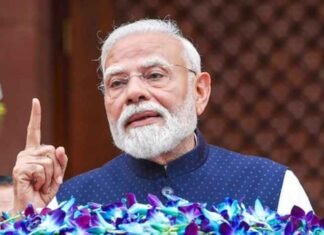
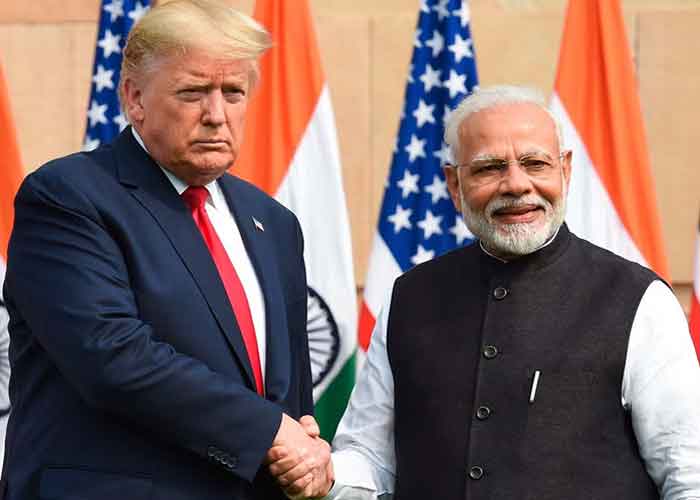
US President Donald Trump has welcomed Prime Minister Narendra Modi’s efforts to curb illicit opium poppy cultivation and strengthen supply-chain security, while India has been included in Washington’s list of 23 major drug-transit or illicit drug-producing countries for fiscal year 2027.
Trump said he welcomed the Indian government’s efforts to address illicit opium poppy cultivation and improve supply-chain integrity, adding that he looked forward to continued cooperation under the United States-India Drug Policy Framework.
The Presidential Determination was submitted to Congress on September 15 and released publicly on September 16. The broader list includes countries such as China, Pakistan, Afghanistan, Mexico and Colombia.
The US determination makes clear that inclusion on the list does not necessarily indicate shortcomings in a government’s counter-drug efforts or its coordination with Washington. India was also not among the four countries separately identified as having “failed demonstrably” during the previous 12 months to make substantial efforts to meet international counter-narcotics obligations. The four countries were Afghanistan, Bolivia, Burma and Colombia.
The determination did not identify specific failures in India’s counter-drug efforts. Instead, its section on India highlighted New Delhi’s measures and pointed to continued bilateral cooperation.
Trump’s determination also called for stronger action from several other countries. On China, he said precursor chemicals used in the production of fentanyl, methamphetamine and other synthetic drugs continued to pose a concern. He said he had raised the issue with Chinese President Xi Jinping and called for additional precursor chemicals and substances to be brought under control.
On Canada, Trump said clandestine laboratories and the movement of precursor chemicals and synthetic drugs remained concerns, while urging stronger action against criminal networks.
Trump also credited Mexican President Claudia Sheinbaum’s administration with increased drug seizures, the dismantling of clandestine laboratories and additional security deployments along the US-Mexico border, while calling for stronger port inspections, supply-chain safeguards and prosecution of officials accused of assisting cartels.
The determination removed Venezuela from the category of countries deemed to have failed demonstrably to meet their drug-control commitments, with Trump citing cooperation with its interim government and expectations of measurable progress against trafficking.
The broader “Major’s List” is based on statutory provisions of the US Foreign Assistance Act of 1961. The White House said geographic, commercial and economic factors can lead to a country’s inclusion because they facilitate the production or transportation of illicit drugs or precursor chemicals, regardless of the level of enforcement undertaken by its government.
 FOLLOW NOW