
Chandigarh/SAS Nagar, September 17, 2026 (Yes Punjab News)
The Swachhata Hi Seva (SHS) 2026 campaign was launched in Punjab on Thursday from the Head Office of the Department of Water Supply and Sanitation (DWSS) in SAS Nagar, with a focus on mobilising rural communities for cleanliness, sanitation and responsible waste management.
The fortnight-long campaign will run across Punjab from September 17 to October 2 under the theme “Swachh Mein Sahbhag, Swachh Bharat, Viksit Bharat”. The initiative seeks to strengthen Jan Bhagidari (people’s participation) and promote sustained sanitation practices at the grassroots level.
Dr. Syed Sehrish Ali Asgar, Mission Director, SBM (G), said the campaign would involve Gram Panchayats, rural households, community groups, youth, women, students, elected representatives and other stakeholders in cleanliness activities and responsible waste-management practices.
With a strong rural focus, the campaign will promote source segregation, proper collection and management of solid and plastic waste, reduction of littering, reuse and recycling, cleanliness of public spaces and regular maintenance of sanitation assets.
Communities will also be encouraged to identify local cleanliness challenges and work collectively towards practical solutions.
Addressing the gathering, Dr. Syed Sehrish Ali Asgar emphasised the need to make cleanliness a continuous, community-led effort. She said the objectives of Swachhata Hi Seva could be strengthened through active citizen participation and individual responsibility for maintaining clean surroundings.
She also urged departmental staff and field functionaries to take the message of cleanliness to rural communities and encourage sustained behavioural change.
As part of the launch programme, Ms. Hritika Ahuja, Project Assistant, SWM/SBMU, PMIDC, organised a technical awareness session for officers and staff. A resource person from PMIDC delivered a presentation on sanitation and waste management, with emphasis on systematic waste handling, source segregation and community participation.
Dr. Reena Chadha, General Manager, IPCA, addressed the participants on the importance of four-way waste segregation, particularly in relation to plastic waste management and recycling.
She highlighted the environmental concerns arising from improper disposal of plastic waste and stressed the need for reduction, segregation, collection, recycling and responsible disposal. The session also highlighted the role of rural communities in preventing plastic litter in villages, public spaces and water bodies.
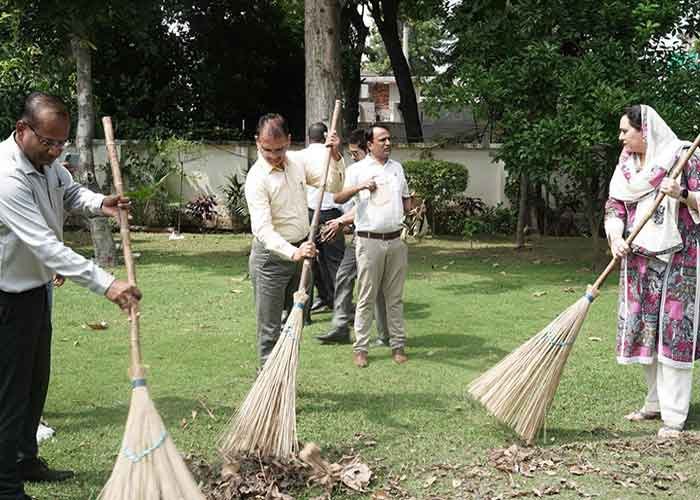
A cleanliness drive was also organised within the office premises as part of the launch. Dr. Syed Sehrish Ali Asgar joined departmental staff in the activity, reinforcing the message of individual responsibility and collective action for cleanliness.
The programme concluded with the administration of the Swachhata Pledge, during which officers and staff reaffirmed their commitment to maintaining cleanliness, preventing littering, adopting responsible waste-management practices and encouraging wider community participation.
Thematic Activities Across Rural Punjab
Dr. Syed Sehrish Ali Asgar said that, in accordance with Punjab’s State Implementation Plan, the campaign would be carried out through a series of thematic activities designed to promote awareness, participation and sustained cleanliness in rural and public spaces.
The major components include transformation of Cleanliness Target Units (CTUs) and Garbage Vulnerable Points (GVPs), Swachh Paathshala–Yuva for Swachhta, Clean Public Places, Jan Bhagidari Advocacy Drives, SafaiMitra Suraksha Seva Evam Samman Shivir and Swachhata Se Samriddhi.
The key focus will be on ensuring active participation of rural communities in cleanliness and sanitation activities. Gram Panchayats and village-level institutions will be encouraged to mobilise residents for Shramdaan, cleanliness of streets and public spaces, upkeep of community sanitation facilities, removal of litter from common areas, protection of water bodies and responsible management of household and plastic waste.
Rural youth, women, Self-Help Groups, school students, community volunteers, elected representatives and other local stakeholders will also be encouraged to participate actively in village-level cleanliness initiatives.
The campaign will place particular emphasis on sustaining cleanliness after individual drives, with the objective of turning campaign activities into regular practices and lasting behavioural change rather than limiting them to one-time interventions.
 FOLLOW NOW