
New Delhi, August 25, 2026 (Yes Punjab News)
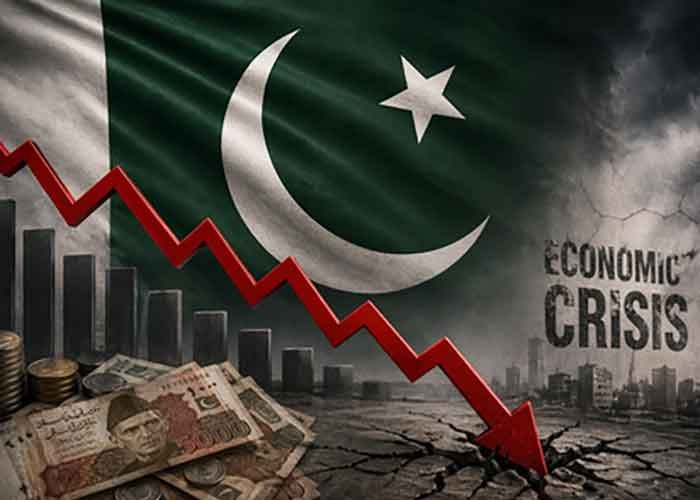
Afghanistan’s growing shift towards trade routes through Iran and Central Asia is putting pressure on Pakistan’s border economy, particularly businesses and industries in Khyber Pakhtunkhwa (KP), including Peshawar, according to a report published by Dawn.
Five years after the Taliban returned to power in Kabul, Afghanistan’s trade relationship with Pakistan has undergone a significant shift, with transit trade through Pakistan recording a sharp decline.
Customs data cited by the report show that Afghanistan’s transit container traffic through Pakistan fell from a record 102,886 containers valued at $6.7 billion in FY23 to 54,114 containers in FY24 and 42,959 in FY25. The decline accelerated in FY26, when the volume fell to just 11,592 containers worth $367 million.
The figures indicate that Pakistan’s border restrictions introduced in October 2025 did not initiate the decline but accelerated an existing trend, the report said.
Afghanistan is increasingly using alternative trade corridors through Iran and Central Asia. The World Bank’s Afghanistan Economic Monitor identified Iran as the backbone of Afghanistan’s import supply chain.
“In FY25, Iran accounted for 31.3 pc of Afghan imports, while direct imports from Iran and imports transiting through Iran together represented 48.6 pc of total imports. Central Asian routes are also gaining importance,” the report said.
The impact is extending beyond Pakistan’s transit revenues. Afghan exports travelling through Pakistan to third countries dropped dramatically from $454 million in FY25 to just $7 million in FY26, according to customs data cited in the report.
For decades, Afghan demand has supported a broad commercial network in Pakistan, including manufacturers, wholesalers, transport operators, clearing agents and warehouse businesses.
“When that flow contracts, the damage travels far beyond the customs post,” the report noted.
Businesses in KP, already dealing with high energy, financing and transportation costs, are now facing weaker demand from an important export market. Pakistani products including cement, food items, pharmaceuticals, textiles and consumer goods have traditionally been sold in Afghanistan.
The decline in orders is also affecting businesses across the wider supply chain. At the same time, disruptions to imports of industrial inputs, including Afghan coal, could add to production costs for industries in Pakistan.
 FOLLOW NOW