Washington, August 21, 2026 (Yes Punjab News)
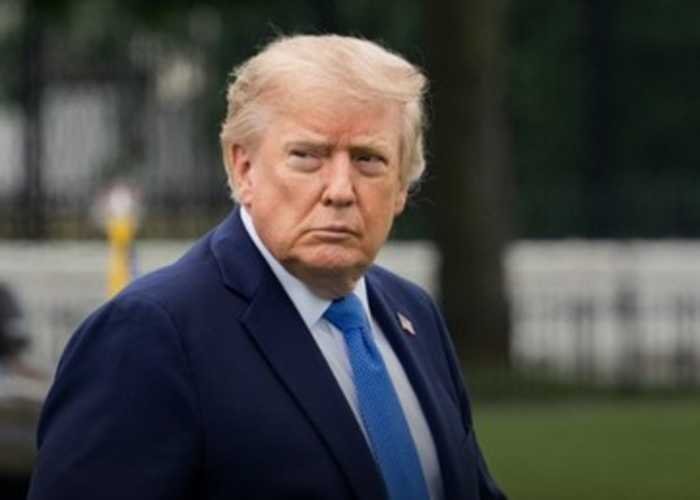
US President Donald Trump has said the United States is “essentially controlling” strategic waterways linked to Iran and will soon have full control over them, while reiterating that Tehran will not be allowed to acquire a nuclear weapon.
In an interview with his former personal lawyer Michael Cohen, broadcast by 77 WABC Radio, Trump defended US military action against Iran and acknowledged that the conflict could lead to higher energy and petrol prices for American consumers.
“Now with Iran, they will never have a nuclear weapon. We’re controlling, essentially controlling and soon controlling the Straits. We’re doing very well with Iran,” Trump said.
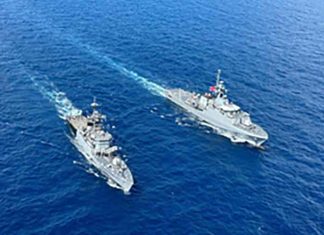
Trump did not specify the waterways in the portion of the interview released. His remarks come amid the ongoing US-Iran conflict and Washington’s efforts to control maritime traffic through the Strait of Hormuz. The White House has previously said US forces have established a blockade and asserted control over the strategic waterway.
Trump said Iran’s navy, air force and leadership had been severely weakened, making negotiations more difficult.
“Part of the problem is so many of the leaders are gone. It’s not easy to make a deal. Nobody knows who’s leading,” he said.
Defending his military campaign, Trump said preventing Iran from obtaining a nuclear weapon justified the possibility of higher energy costs for Americans.
He also defended the use of B-2 bombers against Iranian nuclear facilities, claiming the strikes were carried out when Iran was about two weeks away from developing a nuclear weapon.
Trump further argued that a nuclear-armed Iran would have threatened Israel and other countries in the Middle East, including Saudi Arabia, Qatar, the UAE, Kuwait and Bahrain.
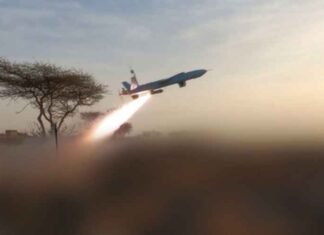
The President claimed that Iran had lost much of its military capability, including significant portions of its missile and drone production capacity. He also cited economic pressure on Tehran, including inflation, currency weakness and difficulties in paying military personnel.
On the Strait of Hormuz, the White House has previously stated that Washington seeks to maintain freedom of navigation while preventing Iran from controlling the strategic waterway. Trump has repeatedly said US forces have the capability to control the strait.
Trump also discussed Venezuela, immigration, tariffs and the US economy during the interview. He claimed that tariffs were encouraging automobile, semiconductor, pharmaceutical and medical equipment manufacturing to return to the United States, describing the resulting investment and construction activity as an economic “renaissance”.
Cohen served for years as Trump’s personal lawyer before the two had a public falling-out. He later testified against Trump and became one of his prominent critics.
 FOLLOW NOW