Mumbai, August 14, 2026 (Yes Punjab News)
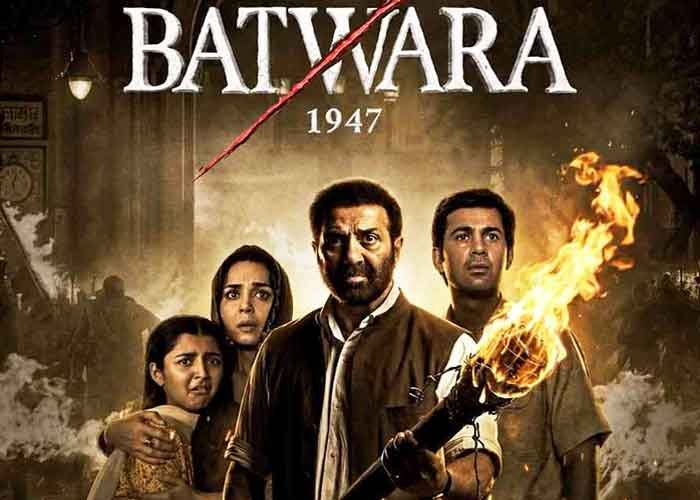
Sunny Deol-starrer ‘Batwara 1947’, directed by Rajkumar Santoshi, opened in cinemas on Friday to a mixed response from moviegoers, with audiences praising the performances and emotional narrative while expressing reservations about the film’s pace and length.
Speaking to IANS outside Mumbai’s Gaiety Galaxy on August 14, several viewers singled out Sunny Deol for his screen presence and powerful dialogue delivery. However, opinions were divided over the film’s slow first half.
One viewer described the film as being more focused on religion than patriotism and felt that it lacked the anger and energy commonly associated with Sunny Deol’s films.
The period drama also inevitably invited comparisons with Deol’s 2001 blockbuster ‘Gadar’. While some viewers felt ‘Batwara 1947’ could not match the impact of ‘Gadar’, others argued that the two films had different stories and should not be compared.
Audience members noted that the film gathers momentum in its second half, which combines action, emotion and drama. Rajkumar Santoshi’s direction also received appreciation, along with performances by Preity Zinta, Shabana Azmi, Ali Fazal, Abhimanyu Singh, Khushi Hajare, Kanikka Kapur and Isha Sandhir.
Sunny Deol’s son Karan Deol was also praised for making an impact with his performance.
Several viewers appreciated the film’s emphasis on communal harmony and its attempt to portray the suffering endured by ordinary people during the Partition. One moviegoer said films carrying such a message should be made.
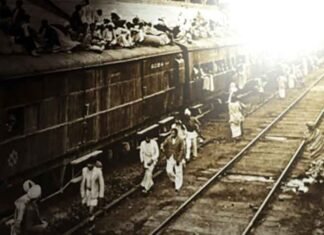
Backed by Aamir Khan under the banner of Aamir Khan Productions, ‘Batwara 1947’ is set in Lahore during the 1947 Partition, with the division of Punjab forming a central backdrop.
The film is based on Asghar Wajahat’s play ‘Jis Lahore Nai Vekhya, O Jamya E Nai’, a popular Punjabi expression conveying the idea that seeing Lahore is an essential experience.
Overall, the public response suggests that while the film may not recreate the impact of ‘Gadar’, its performances, emotional treatment, direction and focus on the human cost of Partition have connected with sections of the audience.
 FOLLOW NOW