Patna, August 12, 2026 (Yes Punjab News)
The release of a National Council of Applied Economic Research (NCAER) report recommending a review of Bihar’s liquor prohibition policy has triggered a fresh political debate, with ruling alliance leaders differing over whether the ban should continue unchanged or be reviewed.
Bihar imposed complete prohibition in 2016 under Chief Minister Nitish Kumar, making the policy a major feature of his government. While JD-U leaders have continued to defend the measure, some leaders within the NDA have now called for a review of its implementation.
JD-U MLC and spokesperson Neeraj Kumar strongly backed the prohibition policy, particularly highlighting what he described as its positive impact on rural women. He said Prime Minister Narendra Modi had also praised the policy introduced by Nitish Kumar and rejected the possibility of adopting the Gujarat model in Bihar.
“Prohibition will remain in force in Bihar; anyone who touches it will be destroyed,” Kumar said.
JD-U MP Devesh Chandra Thakur adopted a more nuanced position, saying he was satisfied that prohibition remained in place but acknowledging that completely eliminating alcohol consumption was unlikely. He said public drinking and related disturbances had declined since 2016, while also supporting a review of the policy.
“Sometimes, there is talk of a review, and I also believe that a review should be done. Prohibition should be implemented with control, not with open licence,” Thakur said.
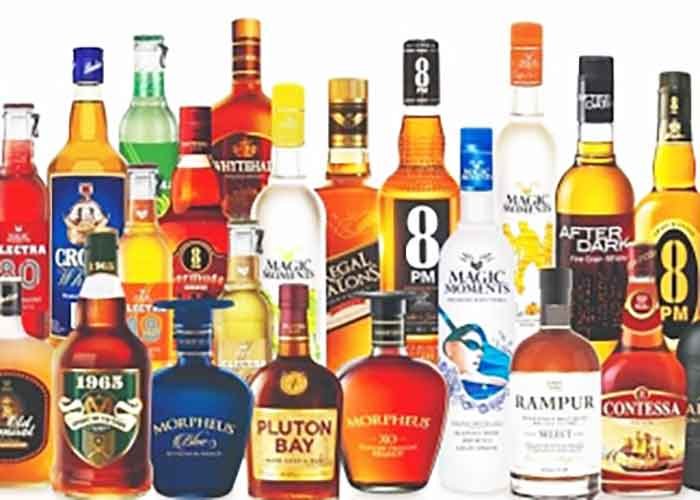
Bihar Prohibition, Excise and Registration Minister Madan Sahani stressed enforcement, saying violations of the ban continued despite its implementation in 2016. He warned those involved in illegal liquor trading and smuggling of strict legal action and said the government would proceed against liquor brands seized in the state.
Union Minister and Hindustani Awam Morcha (HAM) chief Jitan Ram Manjhi also renewed his criticism of the existing framework following the NCAER report. He advocated a prohibition system similar to Gujarat’s, arguing that Bihar needed a different approach.
Rashtriya Janata Dal MLA Bhai Virendra, meanwhile, criticised the government over enforcement. He alleged that prohibition had been introduced without adequate survey or assessment and questioned measures to curb illegal transportation of liquor.
Virendra called for stronger action against smuggling through Bihar’s borders, particularly routes linked to Nepal, Jharkhand and Chhattisgarh, arguing that the seizure of individual consignments was not enough to address the wider problem.
The divergent positions have once again placed Bihar’s prohibition policy at the centre of political debate. While JD-U leaders continue to underline its social benefits, calls for a review have emerged from some NDA leaders, while the opposition has focused on enforcement gaps and alleged cross-border smuggling.
The NCAER report has added fresh impetus to a controversy that has remained politically significant since Bihar introduced prohibition in 2016.
 FOLLOW NOW