


New Delhi, July 25, 2026 (Yes Punjab News)
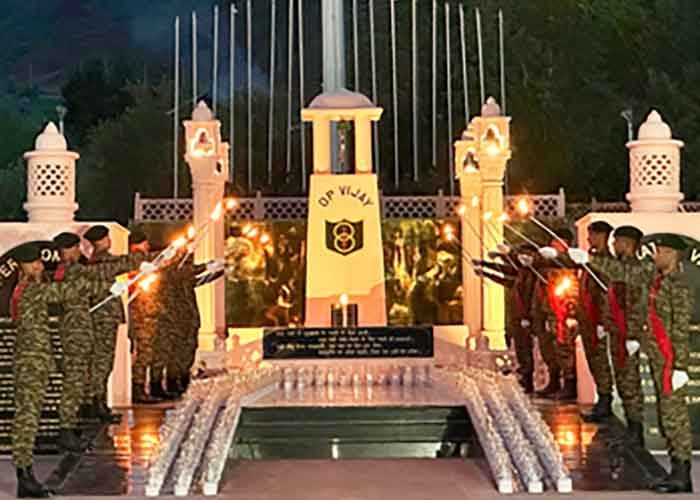
As India observes the 27th anniversary of Kargil Vijay Diwas on July 26, the legacy of Operation Vijay continues to influence the country’s security strategy, military reforms and approach towards counter-terror operations.
The 1999 Kargil conflict, in which Indian armed forces evicted Pakistani infiltrators from strategic heights along the Line of Control (LoC), was a decisive military victory. However, the operation also exposed gaps in intelligence, surveillance and coordination among the armed forces, leading to major structural reforms in India’s defence framework.
The Kargil Review Committee, constituted after the conflict, recommended measures to improve coordination between the Army, Navy and Air Force, including the creation of the post of Chief of Defence Staff (CDS). In 2019, the government established the CDS position and the Department of Military Affairs to strengthen tri-service integration and streamline military decision-making.
The conflict also accelerated reforms in intelligence and border surveillance. India expanded defence intelligence capabilities and increased the use of satellite and drone-based monitoring systems to prevent future strategic surprises.
Another major lesson from Kargil was the need for defence self-reliance. Limited access to critical military technology during the conflict pushed India towards indigenous defence manufacturing. In recent years, domestic defence production and exports have expanded significantly, with Indian-made equipment being supplied to several countries.
The Army also revised its high-altitude warfare strategy after Kargil. The practice of vacating certain forward posts during harsh winters was abandoned, and the LoC was transformed into a permanently manned and fortified frontier.
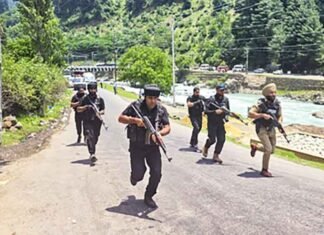
The conflict also marked a shift towards a more proactive counter-terror approach. India’s responses after the Uri terror attack and the Pulwama attack, including surgical strikes and the Balakot air strikes, reflected this change. The approach was further demonstrated during Operation Sindoor, where India targeted terror infrastructure.
During Kargil, India successfully reclaimed occupied positions while maintaining international support by avoiding escalation across the LoC. The conflict also helped India strengthen its diplomatic position and expose Pakistan’s role in cross-border militancy.
Kargil was also the first major televised war for India, bringing frontline realities into homes across the country and creating widespread public awareness about the sacrifices of soldiers, including Captain Vikram Batra, Manoj Kumar Pandey and Yogendra Singh Yadav.
Officials say the threat of Pakistan-backed terrorism remains a continuing challenge, but India’s response has evolved from a reactive posture to a policy of deterrence and punitive action.
Operation Vijay, despite its challenges and shortcomings, became a defining moment that transformed India’s defence planning and shaped the country’s modern security doctrine.
 FOLLOW NOW