

New Delhi, July 24, 2026 (Yes Punjab News)
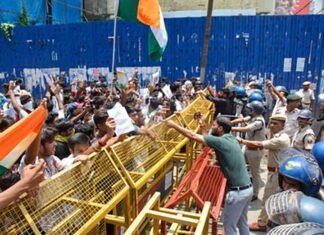
The Centre on Friday told the Delhi High Court that videography of public protests is a routine law-and-order measure and argued that participants in demonstrations held in public places cannot claim a reasonable expectation of privacy.
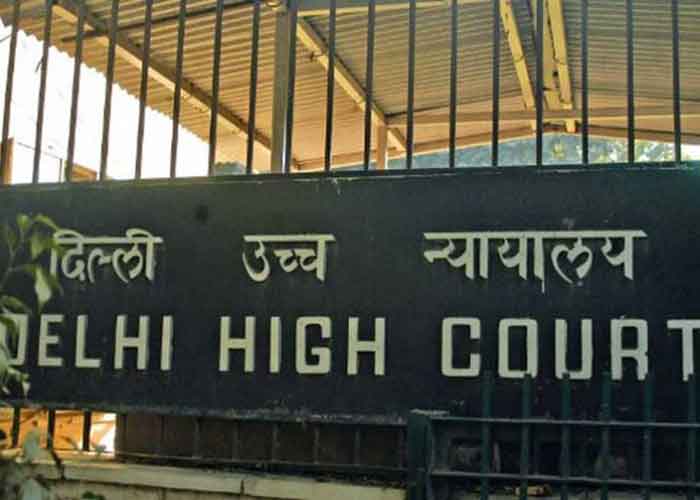
The submission was made during hearing of a Public Interest Litigation (PIL) alleging continuous police surveillance of student protesters at Jantar Mantar. A Division Bench of Chief Justice Devendra Kumar Upadhyaya and Justice Tejas Karia deferred further hearing in the matter till July 27 after hearing arguments from both sides.
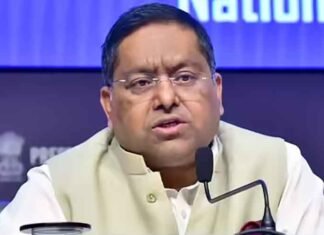
Solicitor General Tushar Mehta, appearing for the Centre, said recording of protests is an accepted practice carried out under standing orders issued in accordance with Supreme Court directions. He argued that major protests are routinely videographed to maintain public order and identify individuals responsible for any untoward incidents.
The Solicitor General said the right to privacy is a fundamental right but not an absolute one and can be restricted when there is a legitimate state interest. He added that privacy concerns cannot prevent authorities from recording public demonstrations, especially when protesters themselves record videos and share content on social media platforms.
“There can be no expectation of privacy in a public protest unless there is intrusion into a person’s private life,” Mehta submitted.
Representing the petitioner, senior advocate Nandita Rao argued that the right to privacy recognised by the Supreme Court in the K.S. Puttaswamy judgment also applies to people participating in public protests. She said any surveillance must meet constitutional requirements of legality, necessity and proportionality, along with safeguards for data protection.
The petition alleged that plainclothes police personnel were recording protesters, including young female students, and raised concerns over the possible use of artificial intelligence-based facial recognition technology at the protest site.
Rao argued that government surveillance without a clear legal framework could have a chilling effect on democratic dissent and sought details of procedures governing collection, storage and use of such recordings.
The PIL was filed by former Jawaharlal Nehru University Students’ Union president Aishe Ghosh, alleging that protesters at Jantar Mantar were subjected to continuous photography, videography and surveillance.
The High Court observed that the legal position on privacy was settled and noted that similar matters were already pending before it. The court will continue hearing arguments on July 27.
 FOLLOW NOW