
New Delhi, October 27, 2026 (Yes Punjab News)
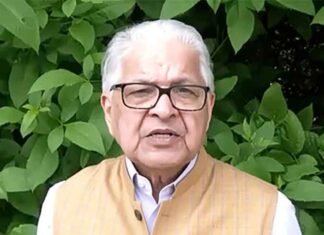
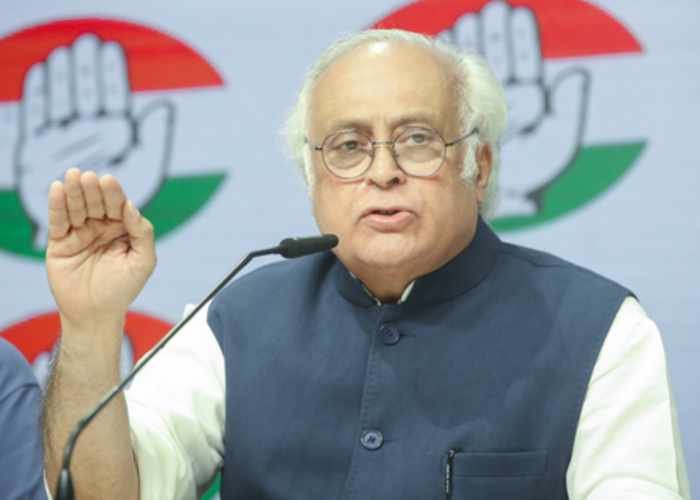
Congress leader Jairam Ramesh on Tuesday sharply criticised the Election Commission of India’s (ECI) affidavit filed before the Supreme Court on the Special Intensive Revision (SIR) of electoral rolls, describing it as “deceptive, deceitful and duplicitous”. He alleged that the affidavit had seriously damaged the credibility of the poll body.
In a detailed statement, Ramesh accused the ECI of misleading the public over amendments relating to Form 6, which is used for the inclusion of names in electoral rolls.
He said the Commission had initially claimed that a new declaration attached to Form 6 had been upheld by the Supreme Court, but the Court subsequently contradicted that claim. According to Ramesh, the ECI later argued that the declaration was separate and that Form 6 itself had not been amended.
Rejecting this explanation, the Congress leader said the form could not be submitted online without completing the mandatory declaration. He also pointed to what he described as inconsistent statements by the Commission, noting that on September 26, 2026, the ECI had referred to the declaration as being attached to Form 6 but later maintained that it was not part of the form.
Ramesh alleged that the handling of the declaration violated the Registration of Electors Rules, 1960. He also accused the Chief Election Commissioner (CEC) of taking unilateral decisions on key aspects of the SIR exercise.
He said the ECI’s affidavit claimed that major SIR orders had received formal approval from all three Election Commissioners. However, according to Ramesh, the other two Commissioners had recorded objections to what they considered serious violations and illegal actions ordered by the CEC. He alleged that their objections were disregarded and that, in some instances, they learnt of decisions only through media reports.
The Congress leader also raised concerns over the use of the ECINET system, alleging that it had centralised control over electoral rolls and enabled officials to override Electoral Registration Officers (EROs), who are the statutory authorities responsible for electoral registration.
Ramesh said the two Election Commissioners had formally recorded their concerns and claimed that instances of EROs being overruled had emerged from several states undergoing SIR, including Goa, West Bengal, Uttar Pradesh and Uttarakhand.
He further criticised the ECI’s information technology division, alleging that it operated without adequate transparency, exceeded its mandate and took unauthorised actions.
According to Ramesh, the two Commissioners had written to the Cabinet Secretary regarding these concerns and the functioning of ECINET, but no corrective action had been taken despite subsequent revelations.
Describing the SIR exercise as a failure, Ramesh alleged that it had been marred by numerous illegalities, including the widespread misuse of Form 7 to facilitate mass deletions of names from electoral rolls across states.
He also claimed that the ECI’s affidavit did not dispute the accuracy of media reports concerning these issues, which, he argued, further raised questions about the conduct of the CEC.
Concluding his statement, Ramesh quoted the proverb, “Oh what a tangled web we weave, when first we practice to deceive,” arguing that prolonged attempts at deception eventually come to light.
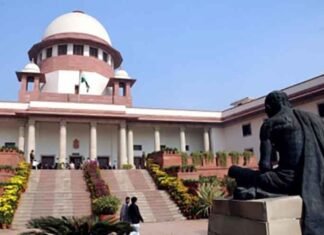
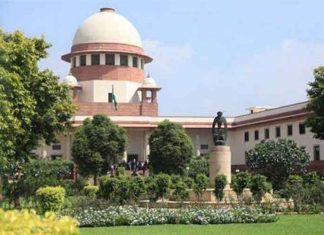
The allegations were made by Ramesh in response to the ECI’s affidavit before the Supreme Court.
 FOLLOW NOW