
New Delhi, October 27, 2026 (Yes Punjab News)
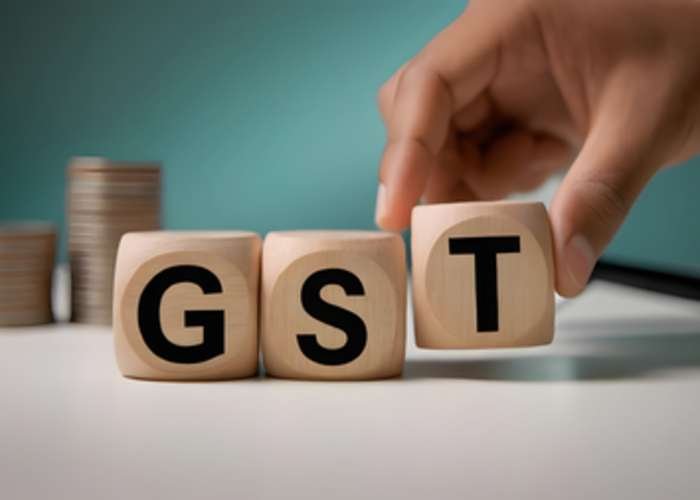
The government has notified the first set of Goods and Services Tax (GST) reforms, with changes concerning post-sale discounts, provisional refunds for businesses facing an inverted duty structure and export refunds set to take effect from November 1, 2026.
The Central Board of Indirect Taxes and Customs (CBIC) issued the required notifications on October 26, paving the way for the initial phase of the reforms.
The changes include simplified rules and credit note provisions intended to make it easier for distributors and retailers to manage post-sale discounts. Businesses facing an inverted duty structure, where the GST paid on inputs is higher than the tax applicable to outputs, will be eligible for provisional refunds of 90 per cent of the claimed amount, subject to risk-based checks.
In relief for small exporters, the existing minimum threshold of Rs 1,000 for tax-paid export refunds is being removed. This will allow small exporters using courier and postal channels to claim refunds without having to meet the minimum amount requirement.
The reforms also change the place-of-supply rules for intermediary services. The place of supply will shift to the location of the service recipient rather than that of the intermediary, providing greater clarity for Indian service exporters.
The next phase of reforms, which requires formal legislative amendments to the Central and state GST laws, is targeted for implementation from April 1, 2027.
The decisions follow the 57th GST Council meeting held in New Delhi on October 8, 2026, under the chairmanship of Union Finance and Corporate Affairs Minister Nirmala Sitharaman. The meeting focused on structural and procedural changes aimed at reducing the compliance burden on taxpayers, improving the flow of input tax credit (ITC) and accelerating refunds.
A senior official said the reforms would be rolled out in phases, depending on the system upgrades required for their implementation.
Automated sanctioning of refunds is expected to begin after November 1, wherever applicable. The facility will apply to future refund claims and will not cover claims that are already pending. The objective is to speed up processing as the necessary systems become operational.
Measures requiring amendments to the Central and state GST laws will come into effect after the requisite legislative procedures are completed. The Council has set April 1, 2027, as the target date for these changes.
The proposed measures include changes to arrest provisions, rationalisation of prosecution thresholds, modifications to e-way bill rules and the introduction of a minimum threshold of Rs 10,000 for issuing show-cause notices.
The senior official clarified that arrests already made would not be affected by the proposed changes. The Council has decided to remove certain arrest provisions from the law, but the changes will apply only from April 1, 2027.
The department is examining the possibility of issuing interim guidance through instructions, although no final decision has been taken, the official added.
 FOLLOW NOW