New Delhi, September 23, 2026 (Yes Punjab News)
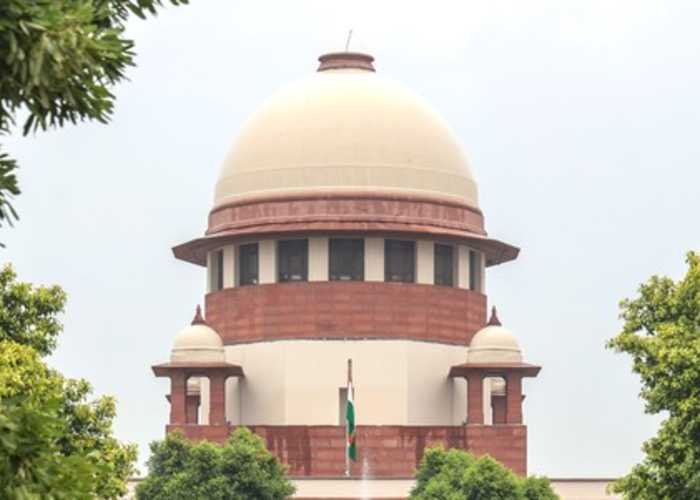
The Supreme Court on Wednesday stayed the operation of an Allahabad High Court judgment that had quashed student activist Akriti Chaudhary’s detention under the National Security Act (NSA) and ordered recovery of Rs 5 lakh compensation from the salary of the Gautam Buddha Nagar District Magistrate and other officials.
A Bench of Justices Satish Chandra Sharma and NK Singh passed the interim order while hearing separate petitions filed by Gautam Buddha Nagar District Magistrate Medha Roopam and the Uttar Pradesh government challenging the High Court judgment.
The Supreme Court permitted Medha Roopam to file a special leave petition (SLP) and issued notice to Chaudhary and other respondents. It also issued notice on the petition filed by the Uttar Pradesh government and other officials. Senior advocate Colin Gonsalves, appearing for Chaudhary, accepted notice on her behalf.
The respondents have been given two weeks to file their replies.
After hearing senior advocates Mukul Rohatgi and Colin Gonsalves, as well as Solicitor General Tushar Mehta, on interim relief, the Bench ordered that the operation of the impugned judgment, particularly paragraphs 27 to 33, would remain stayed until the matter is heard on merits.
The cases have been posted for further hearing on October 7, 2026.
The Allahabad High Court, in its September 2 judgment, had allowed Chaudhary’s habeas corpus petition and held that her continued detention under the NSA violated her rights under Article 21. It had directed that she be released if she was not wanted in any other case.
The High Court had also ordered Rs 5 lakh compensation, to be recovered from the salary of the Gautam Buddha Nagar District Magistrate and other officials found responsible, including the SHO who prepared the initial report leading to her detention.
The case followed labour unrest in Gautam Buddha Nagar in April 2026, when workers protested over low wages, long working hours and inadequate pay. The Uttar Pradesh government had alleged that Chaudhary acted as an “agent provocateur” and that her activities and dissemination of information contributed to violence that began on April 13.
Chaudhary, however, had argued that the proceedings were aimed at curbing her freedom of speech and expression and that there was no material to justify detention under the NSA.
The High Court had observed that the alleged violence began only after Chaudhary was taken into custody. It examined WhatsApp conversations and said the state had failed to identify a single message or video clip showing that she had incited violence or revealed any conspiracy to provoke rioting, arson or destruction of property.
It had further noted that videos relied upon by the authorities showed people gathered peacefully and did not indicate that the crowd was armed or agitated.
The High Court had also criticised the grounds of detention as repetitive, speculative and opinion-based, while questioning the timing of a notice issued under Section 130 of the Bharatiya Nagarik Suraksha Sanhita (BNSS).
The Supreme Court’s interim order now keeps the High Court judgment in abeyance pending further consideration of the challenge.
 FOLLOW NOW