
New York, September 25, 2026 (Yes Punjab News)
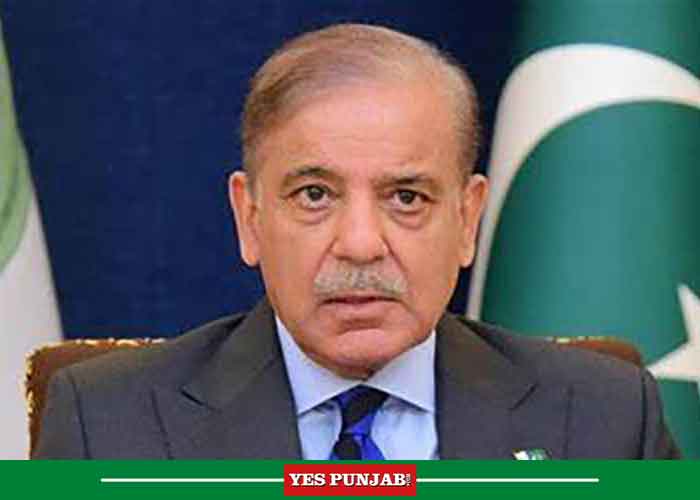
Pakistan Prime Minister Shehbaz Sharif declined to answer questions from reporters about Lashkar-e-Taiba (LeT) founder Hafiz Saeed and allegations that Pakistan harbours terrorists during his visit to the United Nations headquarters in New York.
As Sharif entered the UN headquarters for the 81st UN General Assembly, reporters asked him, “Prime Minister, when will you stop harbouring terrorists?” The Pakistani Prime Minister did not respond and continued walking.
He was confronted again while leaving the UN premises, when journalists asked, “When will you prosecute Lashkar-e-Taiba (LeT) chief Hafiz Saeed?” Sharif again declined to answer.
Saeed, founder of the proscribed LeT, is designated as a terrorist by the United Nations and the United States. Washington has offered a reward of up to $10 million for information leading to his arrest or conviction.
Saeed is also wanted as an accused in the 26/11 Mumbai terror attack case. India’s National Investigation Agency has named him as Accused No. 8 in a supplementary chargesheet concerning the alleged larger conspiracy behind the April 2025 Pahalgam terror attack, which the agency has linked to Pakistan-based LeT operatives.
The confrontation came a day after India criticised Pakistan at the UN Human Rights Council. Exercising India’s right of reply, diplomat Kshitij Tyagi said Islamabad should focus on development rather than “coveting territory of others or exporting terror”.
“Pakistan would better serve its people by focusing on development, rather than by coveting territory of others or exporting terror, because neither these, nor its theatrics in the Council, would help repay the loans its economy survives on,” Tyagi said.
Tyagi also raised allegations concerning the situation in Pakistan-occupied Kashmir, referring to reports presented to the Council about civilian deaths since June, arrests of students in Islamabad and Rawalpindi, and restrictions affecting supplies of food and medicine.
“This Council was told last Friday of scores of civilians killed since June in the territory Pakistan occupies, of students arrested in Islamabad and Rawalpindi, and of food and medicine held back,” he said, adding that Pakistan’s response had been a point of order.
 FOLLOW NOW