New Delhi, September 28, 2026 (Yes Punjab News)
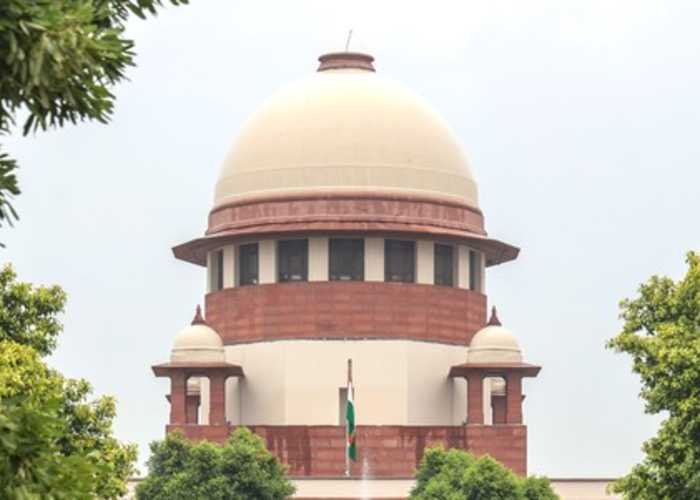
The Supreme Court on Monday suggested that states and Union Territories consider linking unpaid traffic e-challan fines to electricity bills as one possible measure to ensure recovery of outstanding penalties.
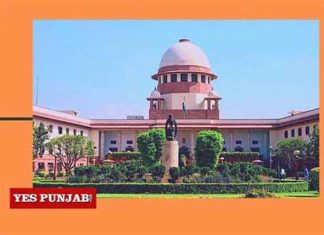
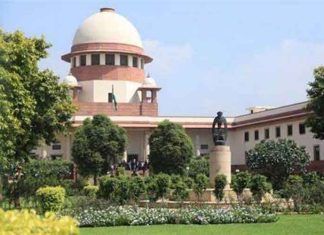
A Bench of Justices J.B. Pardiwala and K.V. Viswanathan made the suggestion while hearing an application seeking effective implementation of electronic enforcement mechanisms for traffic violations and recovery of fines imposed through e-challans.
The Bench stressed that merely issuing e-challans would have limited purpose unless there were effective mechanisms to recover the penalties.
“It is not just sufficient to keep issuing e-challans. Police may issue thousands and lakhs of such e-challans. The question is recovery of fines as sought to be imposed by way of the e-challans,” the court observed.
The Bench suggested that unpaid traffic fines could be added to electricity dues to encourage defaulters to clear their outstanding penalties.
“If people are not paying traffic challans, add it to their electricity dues bill. They’ll have to pay electricity bills; otherwise, the power line will be disconnected. Work it out,” the court remarked.
The apex court also considered several other measures to improve recovery of unpaid e-challan fines.
These included withholding renewal of registration certificates, issuance of duplicate registration certificates and changes in vehicle ownership details until outstanding challans were cleared.
The Bench discussed the possibility of blocklisting vehicles with unpaid challans on the Parivahansewa portal and preventing transfer of ownership of such vehicles.
It also considered linking the recovery mechanism to fitness and Pollution Under Control (PUC) certificates by withholding their issuance or renewal where traffic fines remain unpaid.
Measures concerning driving licences were also discussed, including preventing renewal of licences where e-challans are outstanding and taking appropriate steps in cases involving licences that are already valid.
The court further suggested random checking of vehicles to identify those with unpaid e-challans.
“Let there be random checking of vehicles and if found that e-challan has not been honoured necessary steps to be taken to impound the vehicle itself,” it observed.
The Bench asked amicus curiae and senior advocate Gaurav Agarwal to prepare a chart detailing directions issued by the Supreme Court, the time granted for their implementation, their current status and the amicus curiae’s remarks.
The issue of poor recovery of e-challan fines had also come before the Supreme Court in 2023, when an application sought an effective and time-bound mechanism for recovering penalties imposed through electronic challans.
The application had cited Union government data presented in the Rajya Sabha, according to which only 7.61 per cent of the total amount imposed through e-challans had been recovered, while penalties exceeding Rs 3,877 crore remained involved in the enforcement system.
 FOLLOW NOW