

Karachi, September 22, 2026 (Yes Punjab News)
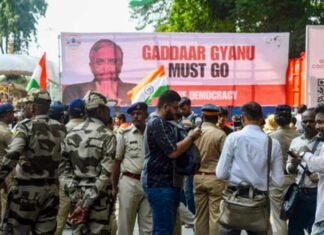
Pakistan’s women’s rights movement Aurat March has condemned the detention of former Prime Minister Imran Khan’s sisters and other family members, describing the action as an attempt to suppress dissent ahead of a planned Pakistan Tehreek-e-Insaf (PTI) protest.
The group said the arrests and detentions of Khan’s relatives, along with measures aimed at preventing PTI supporters from marching in Islamabad, were “unconstitutional and inhumane”. The statement was issued amid a broader crackdown on PTI supporters ahead of the party’s planned September 27 protest and march.
Imran Khan’s sisters Aleema Khan, Dr Uzma Khan and Noreen Niazi have been detained for 30 days under the Punjab Maintenance of Public Order Ordinance. The Lahore High Court is hearing challenges to the detention orders.
PTI has said the September 27 mobilisation is aimed at seeking Imran Khan’s release and demanding the supremacy of the Constitution and the rule of law. Amnesty International has also criticised the detention of Khan’s family members and PTI activists ahead of the planned protest, calling for their release.
In a post on X, Aurat March said the arrests of Khan’s relatives days before the PTI protest were part of what it described as a broader pattern of “establishment-backed violent measures” against PTI and other groups protesting across Pakistan.
“While we don’t ally with any political party and have also disagreed with some of PTI’s policies over the years, however, we believe the state’s horrific efforts to crush any form of dissent, and intimidation and picking up of Imran Khan’s relatives and preventing PTI supporters from marching on the streets of Islamabad is unconstitutional and inhumane, and should be condemned by all citizens,” the group said.
“Every Pakistani has the right to peacefully protest and present their demands to the state,” it added.
Aurat March cited the re-arrest of human rights lawyers Imaan Zainab Mazari-Hazir and Hadi Ali Chattha, the life imprisonment sentences imposed on Baloch Yakjehti Committee leaders Mahrang Baloch and Gulzadi Baloch and other members, and alleged abuses in Balochistan, Khyber Pakhtunkhwa and Pakistan-occupied Kashmir as examples of what it described as a wider crackdown on dissent.
The group said Pakistan was passing through “dark times for democracy, constitution, and resistance” and called on citizens, regardless of political affiliation, to speak out against what it characterised as state repression.
The Pakistani government has said it will prevent the PTI march from occupying roads or entering Islamabad, citing security and public-order concerns.
 FOLLOW NOW