Bengaluru, September 28, 2026 (Yes Punjab News)
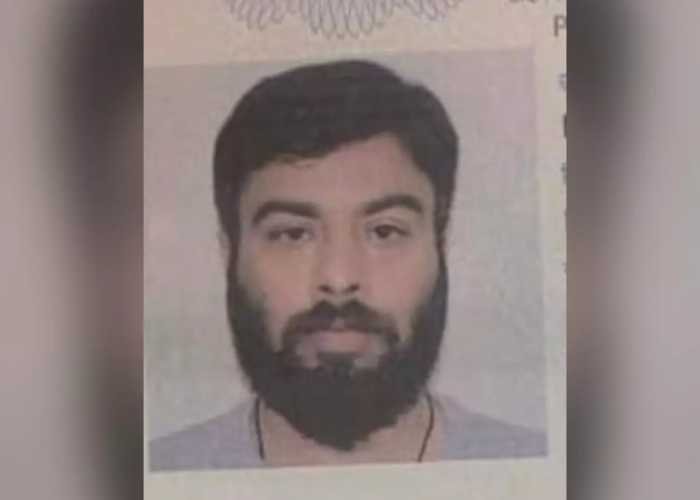
The Special Investigation Team (SIT) probing the fake drug manufacturing and distribution racket arrested prime accused Prashanth Ranjan Babu at Kempegowda International Airport here on Monday after he returned to India from Azerbaijan.
According to police, Babu had allegedly left India after the fake medicine network was exposed and was traced to Azerbaijan by the investigating team. Following pressure from the SIT, he returned to India and was taken into custody shortly after arriving at the airport.
The SIT is expected to produce Babu before the jurisdictional court later in the day and seek his custody for further questioning.
Investigators are examining the extent of the alleged network, including the locations where counterfeit medicines were manufactured and distributed and the period for which the racket had been operating. Babu’s questioning is expected to provide information about the alleged involvement of other persons in the network.
The Bengaluru-centred case came to light following the seizure of counterfeit, expired and relabelled life-saving, ICU and cancer medicines valued at more than Rs 5 crore. The investigation expanded after the arrest of Bengaluru pharmacy owner Veeresh Kumar Jain of Krupa Healthcare.
SIT raids subsequently covered multiple locations in Karnataka, Haryana, Himachal Pradesh, Tamil Nadu and Maharashtra. The Karnataka Food Safety and Drug Administration has cancelled 16 drug licences and suspended eight others belonging to retailers, wholesalers and distributors linked to the case.
One of the suspended licences was that of Pfizer’s carrying and forwarding depot. Karnataka Health Minister U.T. Khader said the agency had not cooperated with investigators or provided reference standards required for laboratory testing of the chemical components of the seized medicines.
With counterfeit cancer and critical-care medicines allegedly reaching patients, the Health Department is also working to identify those who may have received the drugs and assess their health status.
Authorities have advised the public to carefully check medicine labels and packaging for suspicious signs and report QR codes that fail to scan to drug enforcement authorities.
 FOLLOW NOW