
Islamabad, September 23, 2026 (Yes Punjab News)
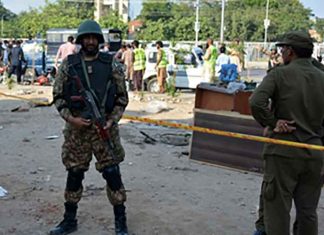
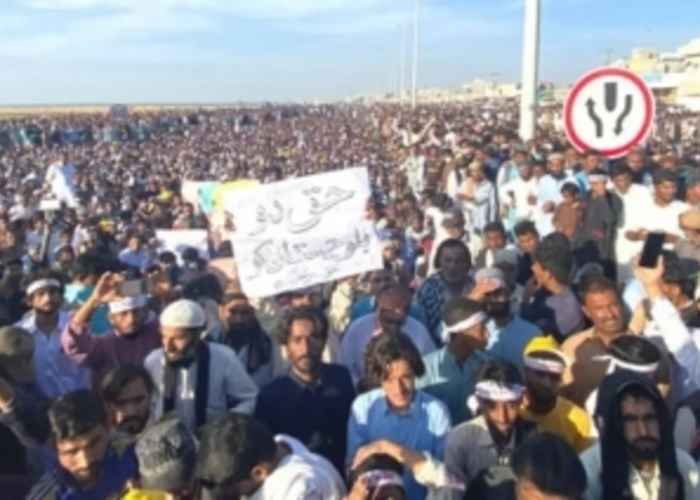
Internet restrictions in Pakistan-administered Kashmir have continued for more than 100 days following protests over political representation, governance, living costs and other socioeconomic grievances, with mobile data and broadband services remaining disrupted across the territory.
The partial shutdown has continued since June 5, according to NetBlocks, an independent organisation that monitors internet connectivity. The prolonged disruption has affected businesses, online banking and students, with entrance examinations also postponed, according to recent reports.
The restrictions followed a wave of protests led by the Jammu Kashmir Joint Awami Action Committee (JAAC). One of the key demands was the abolition of 12 seats in the 45-member Azad Jammu and Kashmir Legislative Assembly reserved for Kashmiri refugees living elsewhere in Pakistan.
The protesters have argued that the reserved seats enable political influence from outside the territory. The issue became a major point of contention ahead of the 2026 legislative elections.
On June 5, the authorities in Azad Jammu and Kashmir proscribed JAAC under the region’s anti-terrorism law and imposed restrictions on communications. The move was followed by protests, clashes and arrests. The Human Rights Commission of Pakistan (HRCP) has said the unrest was rooted in longstanding political and socioeconomic grievances, institutional distrust and governance deficits.
The HRCP also said the state response, including what it described as disproportionate use of force and restrictions on movement and communications, deepened polarisation and eroded public trust. It noted that accounts differed significantly over the scale of violence, the methods used by JAAC and the conduct of security forces.
The unrest also disrupted the electoral process. Elections to the 45-member Legislative Assembly were eventually conducted in three phases because of security concerns, with polling concluding on August 10. The internet restrictions, however, continued after the elections and formation of a new government.
The prolonged communications shutdown has had economic and social consequences. Businesses dependent on online transactions and communication have reported disruptions, while students have faced difficulties accessing educational services. Residents have also reported problems accessing information and essential services.
The HRCP’s fact-finding report, Civic Spaces under Strain in Azad Jammu and Kashmir, said the restrictions affected several rights and freedoms, including freedom of expression, peaceful assembly and association, movement, access to information and participation in public affairs. It also documented arrests and legal action against activists and journalists during the unrest.
Human rights organisations have criticised the designation of JAAC as a proscribed organisation and the use of internet restrictions during the protests. Amnesty International said in June that the crackdown included an internet shutdown, mass arrests and lethal use of force, and raised concerns over the designation of the protest movement under anti-terrorism legislation.
The HRCP has called for an urgent and inclusive political dialogue to address the underlying grievances, saying that the dispute requires a political rather than coercive resolution.
 FOLLOW NOW