Jaipur, September 23, 2026 (Yes Punjab News)
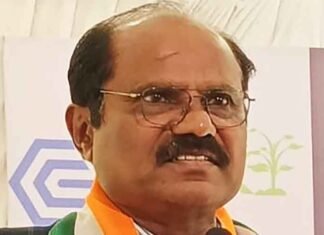
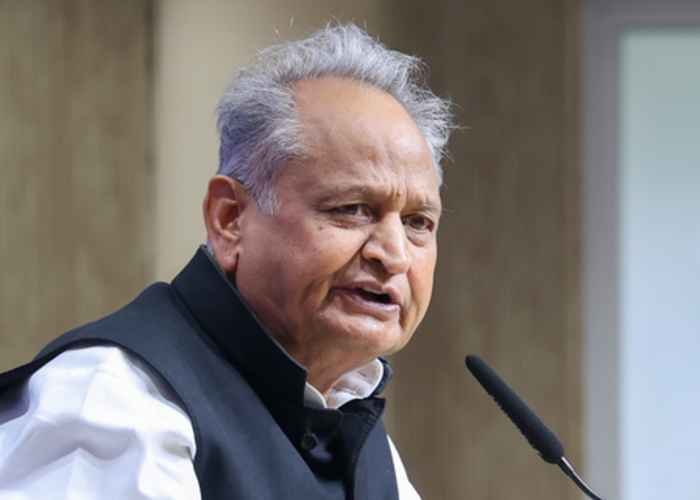
Former Rajasthan Chief Minister Ashok Gehlot has questioned the functioning of the Election Commission of India (ECI) following a report that Election Commissioners Sukhbir Singh Sandhu and Vivek Joshi had recorded objections to several decisions concerning electoral rolls and the Special Intensive Revision (SIR) process.
The Indian Express reported that the two Election Commissioners raised objections on record at least 14 times over a 10-month period. The reported concerns included changes relating to voter registration, deletion and restoration of names from electoral rolls, and the centralisation of access to electoral-roll databases.
Reacting to the report, Gehlot said the reported objections reinforced questions that Congress leader Rahul Gandhi had previously raised about the Election Commission.
“The entire country is aware of what is happening. There were concerns about the functioning of the Election Commission from the very beginning,” Gehlot said, adding that the reported objections by two Election Commissioners raised questions about the functioning and credibility of the constitutional institution.
Gehlot said the issue was not merely about an individual but about transparency and the independence of the Election Commission.
“If two members of the Election Commission are putting their objections on record and saying that important decisions were taken without their knowledge or approval, then this is a matter of serious concern. The country deserves to know how such decisions are being taken,” he said.
He also questioned the change in the law governing the appointment of Election Commissioners and the exclusion of the Chief Justice of India from the selection panel.
“The independence of constitutional institutions is essential for democracy. When questions are being raised from within the Election Commission itself, these concerns cannot simply be ignored. There must be transparency and accountability,” Gehlot said.
He further said public confidence in the electoral process was important and called for the functioning of the poll panel to be examined transparently.
The Election Commission, however, has rejected the suggestion that the reported objections reflected a breakdown in its functioning or that decisions were taken without the participation of the full Commission.
In its response to the report, the ECI said internal notes, queries and differing views were a normal part of institutional deliberations before final decisions were taken. It maintained that decisions made by the full Commission over the past year, including those concerning electoral-roll revision and SIR, were unanimous.
The Commission also said that focusing on specific internal observations over a 10-month period presented only one part of its decision-making process, and asserted that its electoral reforms, instructions and digital systems followed legal and security procedures.
The reported objections and the ECI’s response have brought renewed attention to the internal decision-making process of the poll panel as political parties continue to debate the conduct and implications of the SIR exercise.
 FOLLOW NOW