
New Delhi, October 26, 2026 (Yes Punjab News)
Political disagreements are a natural and necessary part of democracy, where competing ideas, opposing viewpoints and vigorous debate form the foundation of public discourse. However, when senior political leaders make remarks perceived as demeaning to national institutions or use abusive and inflammatory language against opponents, the quality of democratic debate suffers.
Recent controversies involving statements about Jammu and Kashmir and personal remarks targeting political opponents have renewed calls for greater caution and restraint in political communication.
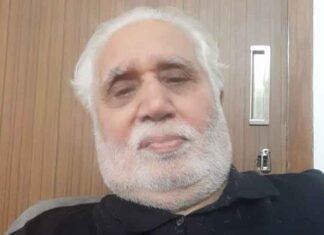
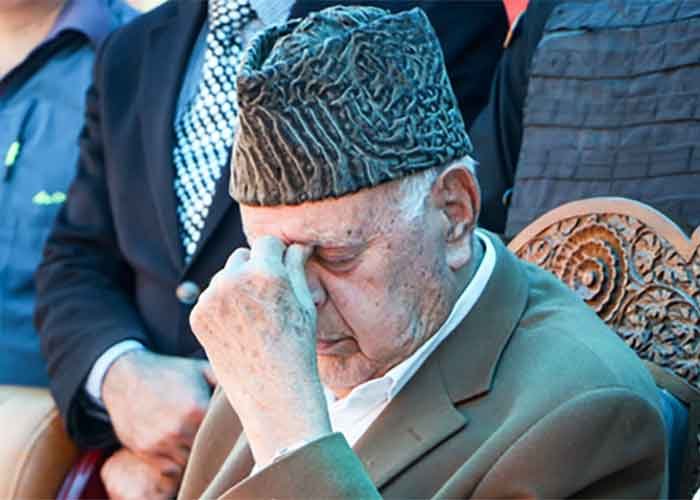
National Conference chief Farooq Abdullah reportedly said on Saturday that Pakistan was “protecting” the people of Jammu and Kashmir by repeatedly raising the Kashmir issue at international forums. The veteran leader also questioned whether Kashmiris could expect justice from Delhi.
These remarks have drawn attention to the sensitive nature of political statements involving national security, foreign relations and territorial integrity. Pakistan has long faced allegations of supporting terrorism in Jammu and Kashmir and other parts of India. Meanwhile, protests in Pakistan-occupied Kashmir (PoK) have highlighted public grievances over governance, basic amenities and economic development.
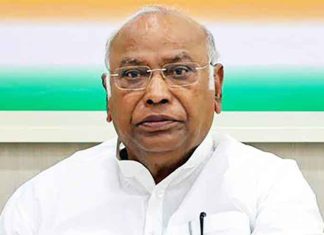
In another controversy, Congress president Mallikarjun Kharge faced criticism over a remark made during a public event in Patna. Responding to an audience member who said Prime Minister Narendra Modi “would not go anywhere”, Kharge reportedly said, “Modi ka baap bhi jayega” (even Modi’s father would go).
The comment triggered criticism and demands for an apology, with opponents describing the language as inappropriate for a senior national leader. The controversy has once again raised questions about the boundaries of political rhetoric and the standards expected of those holding prominent public positions.
Regardless of the political context or the provocation involved, leaders occupying senior constitutional and party positions are expected to demonstrate dignity, composure and restraint. A moment of anger or an impulsive response can quickly overshadow the substance of a political argument and divert attention from important public issues.
Political leaders carry a responsibility that extends beyond their immediate supporters. Their words are amplified rapidly through television, newspapers, social media and public discussions, influencing how citizens understand political disagreements and engage with one another.
This responsibility becomes particularly significant when statements concern national security, foreign relations or social harmony. Remarks that appear to sympathise with a hostile country or undermine national interests can generate confusion at home and provide material for criticism abroad.
At the same time, constructive criticism of government policies remains an essential democratic right. Questioning decisions, challenging the ruling establishment and presenting alternative viewpoints are central to a functioning democracy. The challenge is to distinguish robust political criticism from language that becomes personally abusive, inflammatory or dismissive of national sensitivities.
The growing tendency to turn political rivalry into personal hostility has also raised concerns about the example set for younger generations. Young people often look to prominent political figures for guidance on public behaviour and civic engagement. When senior leaders exchange insults or resort to provocative language, they risk normalising aggression and disrespect as acceptable forms of democratic participation.
Responsible public discourse requires more than the freedom to speak. It also demands an understanding of the consequences of words, respect for opposing viewpoints and a willingness to engage in disagreement without abandoning civility.
History offers examples of respected statesmen whose leadership was reflected not only in what they said but also in what they chose not to say. Emotional discipline is an important part of public leadership. Anger, frustration and political provocation may be understandable, but they should not determine how leaders communicate with the public.
In a democracy, the strength of political leadership is measured not simply by the ability to challenge opponents but also by the capacity to do so responsibly. A pause before speaking, followed by reflection on the likely consequences, can help preserve the dignity of public debate and strengthen democratic institutions.
 FOLLOW NOW