

New Delhi, August 27, 2026 (Yes Punjab News)
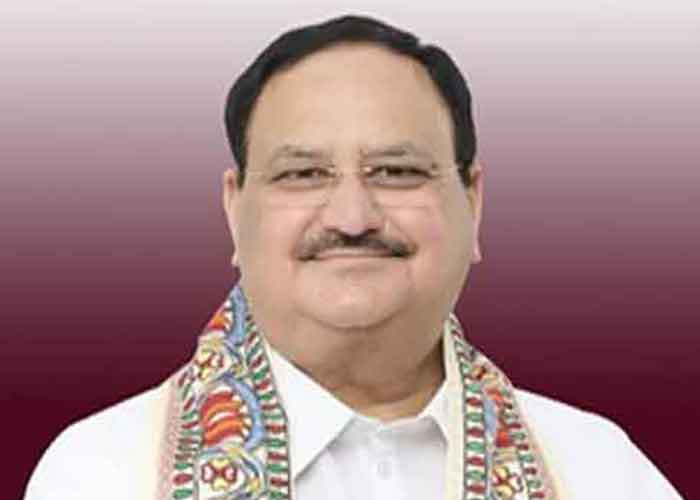
Union Minister J.P. Nadda on Thursday held a “cordial” meeting with representatives of a group campaigning for reforms in India’s reservation system and indicated that another round of discussions could take place soon.
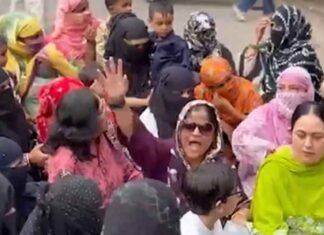
The meeting came days after the activists organised a protest at Delhi’s Jantar Mantar on August 21, demanding sweeping changes to the existing quota system.
The protesters have called for replacing caste-based reservation with a system that gives greater weight to economic status in admissions to public educational institutions and recruitment to government jobs.
Nadda confirmed his meeting with the delegation in a post on X. He said discussions were held as scheduled with Harsh Dubey, Ran Bahadur Singh Chauhan and Mrityunjay Pathak, who were part of the delegation.
“Following the movement that took place at Jantar Mantar on August 21, cordial discussions were held, as per the pre-determined schedule, with Harsh Dubey, Ran Bahadur Singh Chauhan, and Mrityunjay Pathak, members of the team. In this connection, we will meet again soon,” Nadda said.
The Union Minister did not refer specifically to the organisation called “Reservation Hatao Andolan” or disclose details of the issues discussed during the meeting.
The development follows a recent meeting between Dubey and other reservation-reform representatives and Uttar Pradesh Deputy Chief Minister Brajesh Pathak in Lucknow. Pathak had assured them that their demands would be conveyed to the BJP’s central leadership.
The “Reservation Hatao Andolan” campaign gained prominence through social media, with its Instagram page having more than five million followers, according to the source material.
The group has been seeking a review of caste-based reservation and a restructuring of the quota system, arguing that economic status should be a key basis for reservation in education and employment.
At the Jantar Mantar protest, the activists demanded that reservations in public educational institutions and government jobs be determined on grounds including economic condition, disability or family status, rather than being based entirely on caste.
 FOLLOW NOW