New Delhi, September 19, 2026 (Yes Punjab News)
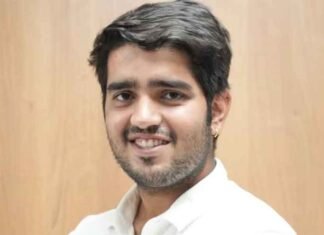
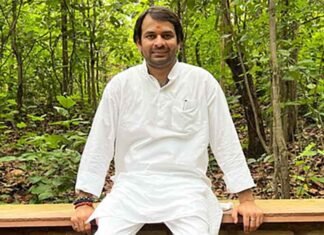
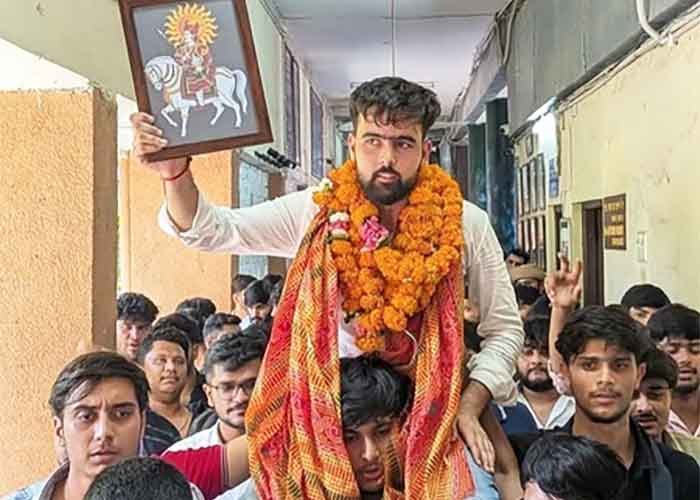
Independent candidate Deepanshu Shokeen’s victory in the Delhi University Students’ Union (DUSU) vice-presidential election has brought renewed attention to candidate selection, grassroots mobilisation and internal dynamics within the Congress-affiliated National Students’ Union of India (NSUI).
Shokeen, a former NSUI member, won the Vice-President post with 30,615 votes, defeating ABVP’s Ishu Maurya, who polled 16,910 votes, and NSUI’s Vir Chatrath, who secured 4,313 votes. The result came as ABVP won the other three central DUSU posts — President, Secretary and Joint Secretary.
According to the source material, Shokeen had been among the contenders for the NSUI ticket but was not selected, with the organisation fielding Vir Chatrath, son of senior Congress leader Manish Chatrath. Shokeen subsequently contested as an Independent.
The episode became part of a wider political debate over allegations of preferential treatment for candidates with established political connections. Chatrath had faced criticism during the campaign over his political background but rejected the “nepo kid” tag, saying his candidature was not a “parachute seat” and that he had been associated with students from the beginning.
Shokeen’s electoral performance has since been cited by political commentators in discussions about the space available to grassroots workers within established political organisations. His victory, however, came in an election in which ABVP retained a strong presence, winning three of the four central posts.
A resident of Peeragarhi in outer Delhi, Shokeen is the son of a bus conductor and an Anganwadi worker. He completed his graduation from Bhagat Singh College in 2026 and is pursuing further studies in the Department of Buddhist Studies, according to reports.
His campaign also attracted attention after he campaigned barefoot following the Satya Niketan incident and pledged not to wear shoes until students received justice.
The DUSU election recorded a voter turnout of 40.46 per cent across 52 centres, the highest in three years, according to election reports.
For NSUI and Congress, Shokeen’s victory has become a point of discussion around candidate selection, organisational democracy and the relationship between political connections and grassroots support.
 FOLLOW NOW