
New Delhi, September 6, 2026 (Yes Punjab News)
The Delhi Government’s Excise Department has auctioned more than 2,000 seized vehicles, generating over Rs 5 crore in revenue, while clearing a backlog of 5,000 pending chemical analysis cases, officials said on Sunday.
The measures are part of Chief Minister Rekha Gupta’s efforts to improve governance, streamline administrative processes and ensure faster disposal of long-pending matters, according to an official statement.
Gupta said the BJP-led Delhi Government’s focus was not limited to announcing schemes but also included making governance more transparent, accountable, functional and outcome-oriented.
“Timely disposal of long-pending cases, better utilisation of government resources and faster administrative processes are important steps towards good governance,” she said.
She added that the government’s objective was to ensure quicker decisions, prioritise pending work and place public interest at the centre of administrative functioning.
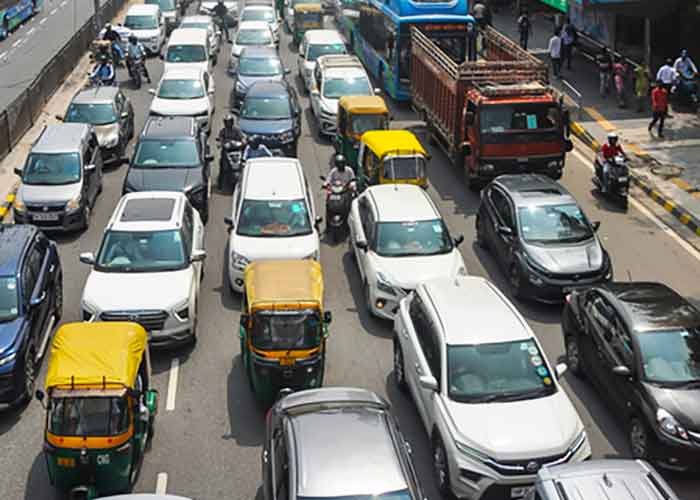
As part of a special disposal drive under the Delhi Excise Act, more than 2,000 vehicles seized under the law were auctioned after having remained for a long period outside police stations and on adjoining public land. The department streamlined the seizure and public-auction process to facilitate their disposal.
The government said the exercise prevented further depreciation in the value of the seized vehicles and brought in more than Rs 5 crore in revenue. It also freed up space at police station premises and on public land. The department said work would continue to identify and dispose of the remaining seized vehicles systematically.
Separately, the Excise Department has overhauled the functioning of its Excise Control Laboratory, where more than 5,000 chemical analysis cases linked to police cases had been pending.
According to the department, all the pending cases have now been disposed of, reducing the active backlog to zero.
Earlier, chemical analysis reports of seized liquor samples could take years to be issued, potentially delaying police investigations and subsequent legal proceedings.
The department said faster testing and availability of laboratory reports would strengthen enforcement of excise laws and support police investigations. It also said an efficient testing system would help create a stronger deterrent against the smuggling of illicit liquor.
 FOLLOW NOW