
Islamabad, November 2, 2026 (Yes Punjab News)
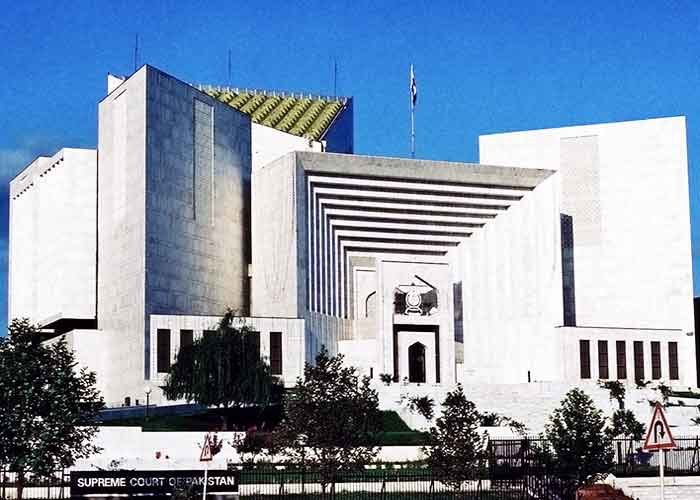
Pakistan’s 130th position among 143 countries in the World Justice Project (WJP) Rule of Law Index 2025 has renewed questions about the country’s justice system, with a report in The Express Tribune calling for reflection rather than outright dismissal or indiscriminate blame.
The index assesses eight areas, including constraints on government powers, corruption, fundamental rights, order and security, regulatory enforcement, and civil and criminal justice. Pakistan ranked 129th in civil justice and 101st in criminal justice. Its scores included 0.36 for accessibility and affordability of civil justice, 0.28 for unreasonable delay and 0.35 for effective enforcement.
In an article, Shahid Hussain Kamboyo argued that the overall ranking reflects the wider rule-of-law environment and should not be treated as a verdict on the country’s courts alone. He said international indices could identify shortcomings and encourage reforms, but their findings should be considered alongside institutional records and people’s lived experiences.
The debate over judicial independence and access to justice has also intensified following the sentencing of human rights lawyers Imaan Zainab Mazari-Hazir and her husband, Hadi Ali Chattha, to 10 years in prison each by an anti-terrorism court in Islamabad. The court also imposed a fine of Rs 1 lakh on each under the Anti-Terrorism Act, 1997, in a case linked to the removal of barricades placed on a road during a cricket match in 2024.
The Baloch Yakjehti Committee (BYC) condemned the verdict, describing it as an example of what it called judicial helplessness and a system dominated by the military. The organisation said the couple had consistently raised their voices against alleged atrocities involving Baloch, Pashtun and other oppressed communities.
In a statement posted on X, the BYC said the sentences were an attempt to silence those defending human rights and justice. It also questioned whether raising one’s voice for justice and standing with oppressed communities had become punishable acts.
The organisation said the lawyers had expressed solidarity with families affected by alleged state oppression, including enforced disappearances, and were now facing what it described as injustice themselves.
The Express Tribune article, meanwhile, stressed that the real measure of progress should be whether ordinary citizens can secure wages, inheritance and timely relief through the justice system, rather than merely improving the country’s position in an international ranking.
 FOLLOW NOW