

Chandigarh, November 2, 2026 (Yes Punjab News)
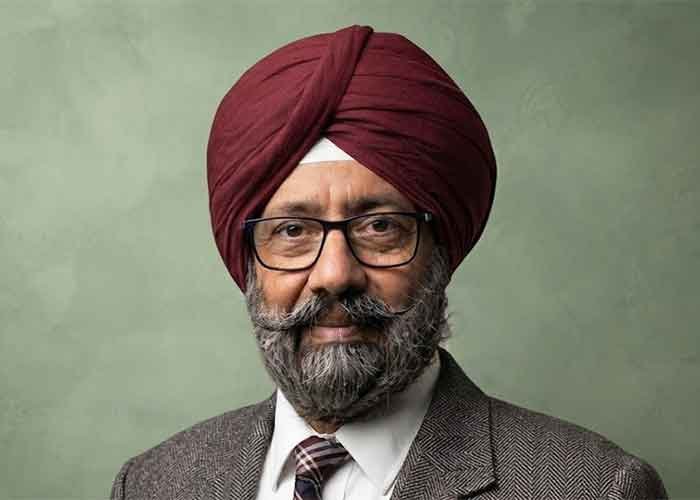
Former Punjab Special Chief Secretary KBS Sidhu, IAS (Retd.), has written to Union Petroleum and Natural Gas Minister Hardeep Singh Puri, seeking equitable allocation of ethanol procurement among distilleries across India, particularly newly established units in Punjab and Haryana facing uncertainty over purchase commitments.
Welcoming India’s progress in ethanol blending, Sidhu said the programme had helped reduce dependence on imported petroleum, conserve foreign exchange, support environmental objectives and create additional markets for agricultural produce, including sugarcane, maize and rice.
However, he cautioned that the rapid expansion of ethanol production capacity had created a situation in which distilleries were competing for procurement orders substantially below their combined production potential.
Production Capacity Far Exceeds Demand
According to Sidhu, India achieved its target of 20 per cent ethanol blending ahead of schedule, encouraging substantial investment in new distilleries.
The country’s annual ethanol production capacity has now reached nearly 2,000 crore litres, while oil marketing companies require approximately 1,100 crore litres for the ethanol supply year beginning November 1, 2026.
With production capacity considerably exceeding procurement requirements, the system of allocating purchase orders has become increasingly important for the financial viability of distilleries.
Sidhu pointed out that under the latest tender arrangements, distilleries holding long-term offtake agreements receive priority not only for their contracted quantities but also for additional supplies up to their full installed design capacity.
Other eligible distilleries are left to compete for the remaining procurement quantities.
He noted that some grain-based distilleries without such agreements received purchase allocations amounting to as little as 19 per cent of their offered quantities last year.
Several newly established units now face the prospect of operating at approximately one-fifth of their capacity or even less, raising concerns about their ability to meet loan repayment obligations.
Matter Pending Before Supreme Court
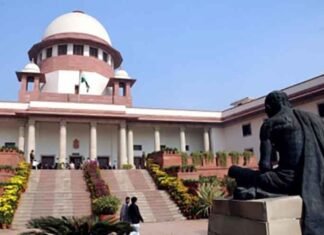
Sidhu also drew the Petroleum Minister’s attention to the legal challenge concerning preferential allocation beyond contracted quantities, which is pending before the Supreme Court.
According to his letter, oil marketing companies have maintained before the Court that long-term offtake agreements involve best-endeavour commitments rather than unconditional purchase guarantees.
He also referred to the Attorney General’s assurance before the Court regarding fair and equal allocation.
Sidhu argued that extending preferential treatment up to the full design capacity of certain distilleries while the matter remains under judicial consideration raises questions of consistency with those positions.
The Supreme Court is expected to resume hearing the matter in November.
Punjab and Haryana Distilleries Face Particular Challenges
Highlighting the implications for Punjab and Haryana, Sidhu said several distilleries in the two states had been established following encouragement from the Union Government, including interest-subvention schemes designed to expand ethanol production.
Many such units were granted permissions restricting their output to the ethanol blending programme, leaving them particularly dependent on procurement by oil marketing companies.
“For a State like Punjab, where fresh industrial investment is hard to attract, these distilleries matter well beyond their balance sheets,” Sidhu wrote.
He said these investments create employment opportunities in rural areas and provide additional markets for maize, supporting efforts to encourage farmers to diversify away from water-intensive paddy cultivation.
Sidhu also pointed out that a substantial portion of the Food Corporation of India (FCI) rice supplied to distilleries at subsidised rates originates from Punjab, even as distilleries established within the state face the possibility of remaining underutilised.
Four Measures Proposed to Petroleum Minister
Without seeking cancellation or modification of existing contractual commitments, Sidhu proposed four measures to ensure greater fairness in ethanol procurement.
- Honour contracted quantities: Existing contractual purchase commitments should be respected, subject to the normal order of pricing.
- Review additional preferential allocation: Preference extending beyond contracted quantities up to the full design capacity of distilleries should be withheld until the Supreme Court decides the pending matter. Meanwhile, a common minimum capacity utilisation level should be ensured for all eligible plants.
- Ensure transparent allocation of FCI rice: Subsidised rice supplied by the Food Corporation of India should be distributed among eligible distilleries through a transparent and proportionate mechanism.
- Initiate a negotiated settlement: The Union Government should convene discussions involving ethanol suppliers, oil marketing companies and the Governments of Punjab and Haryana to arrive at an equitable arrangement.
Sidhu maintained that the objective should be to protect legitimate contractual rights while preventing newly established distilleries from bearing a disproportionate financial burden arising from excess production capacity.
“Those who invested in good faith on the strength of Government policy should not be the ones to bear the cost of its success,” he observed.
Sidhu Clarifies No Conflict of Interest
In his communication, Sidhu clarified that he has no personal or financial interest in the distillery industry.
He stated that he is not engaged by any distillery company or industry association and that neither he nor any member of his family has any interest in the sector.
He said he had raised the issue in his independent capacity as a retired civil servant, with the objective of promoting equitable industrial growth, protecting investments and supporting the environmental and agricultural benefits of ethanol blending.
KBS Sidhu, a 1984-batch IAS officer of the Punjab cadre, retired in 2021 as Special Chief Secretary, Punjab. He is also Convener of the Shiromani Punjab Forum and Founder-Editor of The KBS Chronicle.
 FOLLOW NOW