
Mumbai, August 6, 2026 (Yes Punjab News)
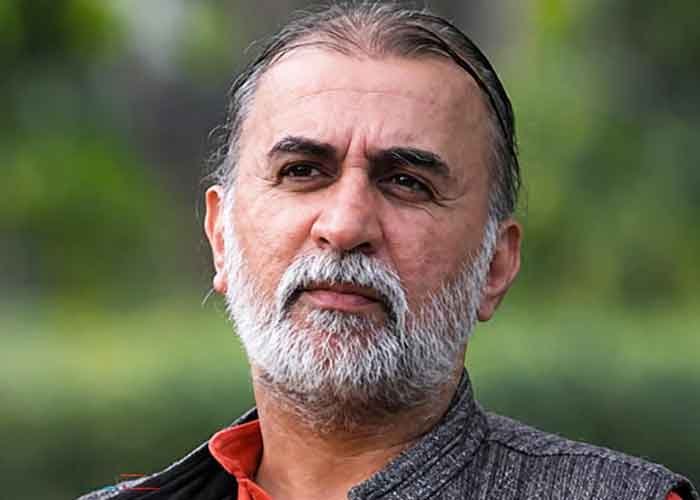
The Bombay High Court on Thursday sentenced former Tehelka editor Tarun Tejpal to 10 years’ rigorous imprisonment in the 2013 sexual assault case involving a junior colleague, hours after reversing his acquittal and convicting him of rape and other offences under the Indian Penal Code (IPC).
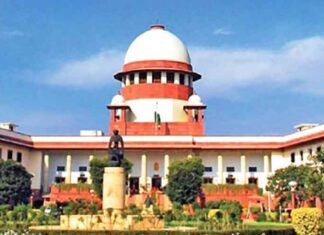
A Division Bench comprising Justices Neela Gokhale and Amit Jamsandekar pronounced the sentence and granted Tejpal two weeks to surrender before the jail authorities.
Earlier in the day, the Bench had allowed the Goa government’s appeal against the May 2021 judgment of a sessions court in Mapusa, which had acquitted Tejpal of all charges.
The High Court convicted Tejpal under Sections 376(2)(f) and 376(2)(k) of the IPC relating to rape, along with Sections 354A (sexual harassment) and 354B (assault or use of criminal force against a woman with intent to disrobe).
During the hearing on sentencing, Tejpal’s counsel sought suspension of the conviction for eight weeks to enable him to approach the Supreme Court. The defence argued that the High Court had reversed an acquittal and pointed out that there were no other criminal cases against him.
Addressing the Bench, Tejpal pleaded for leniency, stating that he considered himself to be a victim and requested the court to take a compassionate view while deciding the sentence.
Opposing the plea, Solicitor General Tushar Mehta, appearing for the Goa government, argued that the case required a strong judicial message against sexual violence, stressing that “when a girl says no, it means no.”
The case relates to allegations made by a junior colleague who accused Tejpal of sexually assaulting her inside an elevator at a luxury hotel in Goa during an event in November 2013.
Following the complaint, the Goa Police registered an FIR against Tejpal on charges including rape. He was arrested in November 2013 after a local court rejected his anticipatory bail plea and was later granted regular bail by the Supreme Court in July 2014.
In May 2021, Additional Sessions Judge Kshama Joshi acquitted Tejpal, holding that the prosecution had failed to establish its case beyond reasonable doubt. The trial court had cited alleged shortcomings in the investigation, including the non-production of certain evidence such as CCTV footage.
The Goa government challenged the acquittal before the Bombay High Court, contending that the trial court had erred in its appreciation of evidence.
During the appeal proceedings, the prosecution argued that the sessions court had focused excessively on the survivor’s post-incident conduct and personal background instead of evaluating the evidence against the accused. It also contended that the trial court had overlooked key material, including an apology email allegedly sent by Tejpal after the complainant reported the incident to the publication’s then Managing Editor.
 FOLLOW NOW