
New Delhi, August 7, 2026 (Yes Punjab News)
Concerns over Bangladesh’s changing political and strategic direction have intensified following remarks by former Prime Minister Sheikh Hasina’s son, Sajeeb Wazed Joy, who warned that the country could move towards instability and emerge as a source of regional insecurity without corrective measures.
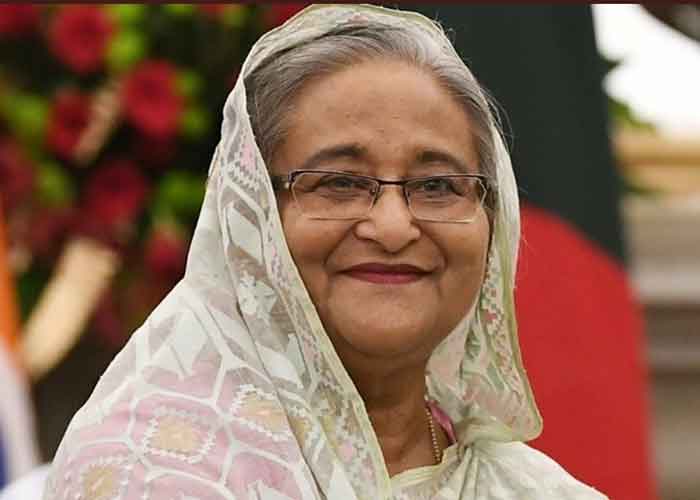
Addressing an online press conference from New Delhi along with Sheikh Hasina, Sajeeb Wazed alleged that post-Hasina Bangladesh was increasingly resembling “another Pakistan on India’s eastern front”. His remarks came amid growing debate over Dhaka’s domestic political changes, security policies and evolving international partnerships.
Following Sheikh Hasina’s removal from power, the Muhammad Yunus-led interim government revoked the ban on Jamaat-e-Islami and its student wing Islami Chhatra Shibir. The previous Awami League government had banned the organisations under the Anti-Terrorism Act, accusing them of involvement in violence during student protests. The interim administration later said it had found no specific evidence linking the groups to terrorist activities.
Since then, Jamaat-e-Islami has strengthened its political presence and emerged as a significant Opposition force, heading an alliance against the Bangladesh Nationalist Party (BNP).
Another major shift has been the resumption of direct air connectivity between Bangladesh and Pakistan after a gap of 14 years. The state-run Biman Bangladesh Airlines restarted direct flights on the Dhaka-Karachi route, which had been suspended during Sheikh Hasina’s tenure citing security concerns.
The move also drew attention after reports raised concerns over suspected links between passengers on a Karachi-Dhaka flight and Lashkar-e-Taiba (LeT). Reports claimed that several passengers were under scrutiny for possible connections with the Pakistan-based terror outfit.
Security assessments have also highlighted allegations regarding increased activities of Pakistan’s Inter-Services Intelligence (ISI) in Bangladesh. Intelligence inputs cited in reports have suggested concerns over attempts to use Bangladesh as a transit point for activities targeting India’s eastern border states.
Meanwhile, Bangladesh’s growing cooperation with China has added another dimension to regional strategic calculations. Beijing has expanded its involvement in Bangladesh through infrastructure, energy and defence projects.
Among the key projects is the Mongla Port Economic Zone, being developed by the China Civil Engineering Construction Corporation. The project’s location near India’s eastern frontier has attracted strategic attention. China has also shown interest in projects linked to the Teesta River management and the development of defence infrastructure, including support for a submarine base at Cox’s Bazar.
While the BNP-led political establishment has reportedly moderated some earlier decisions, analysts and officials continue to watch Dhaka’s policy direction closely, particularly in view of regional security and stability concerns.
 FOLLOW NOW