
New Delhi, September 30, 2026 (Yes Punjab News)
The emerging differences between the Congress and Samajwadi Party (SP) over seat-sharing for the 2027 Uttar Pradesh Assembly elections have brought back comparisons with the negotiations within the Bihar Mahagathbandhan ahead of the 2025 state polls.
In both states, the Congress has sought a substantial share of seats while its stronger regional ally has had to balance those demands against its own organisational and electoral calculations.
In Uttar Pradesh, the Congress-SP alliance performed strongly in the 2024 Lok Sabha elections, winning 43 of the state’s 80 seats between them and contributing to the INDIA bloc’s improved performance in the state.
The Congress is now seeking to translate that performance into a larger role in the 403-member Assembly. Uttar Pradesh Congress in-charge Rajendra Pal Gautam has said the party would not contest fewer than 150 seats under an alliance arrangement and that seat-sharing is expected to be finalised in October.
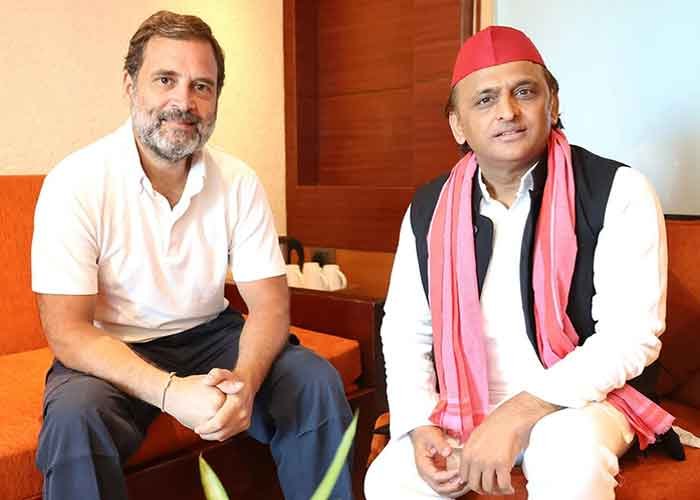
The SP, meanwhile, has been reported to be preparing for a much larger share of the Assembly seats. Recent reports said SP president Akhilesh Yadav indicated that his party was preparing to contest 350 of the state’s 403 constituencies, reflecting the gap between the positions of the two parties.
The disagreement has also generated public discussion among leaders and functionaries of the two parties. However, both sides have indicated that the final arrangement will be decided by their central leadership, with Rahul Gandhi and Akhilesh Yadav expected to have a role in the negotiations.
The situation has similarities with the Congress-Rashtriya Janata Dal (RJD) negotiations in Bihar before the 2025 Assembly elections. The Congress had contested 70 seats in the 2020 election and sought a substantial allocation again. The eventual Mahagathbandhan formula gave the Congress 61 seats, while the RJD contested 143.
The Bihar results subsequently underscored the gap between the Congress’s seat allocation and its electoral conversion. The party won six of the 61 seats it contested, compared with 19 victories from 70 seats in 2020. The RJD won 25 seats, while the NDA secured 202 of the 243 Assembly seats.
The Bihar experience also highlighted the complexities of managing a broad opposition alliance involving several regional and smaller parties. The eventual electoral outcome saw the Mahagathbandhan significantly outnumbered by the NDA, while AIMIM won five seats after contesting 28 constituencies separately.
For the Congress and SP, the Uttar Pradesh negotiations therefore involve not only the number of seats but also questions of organisational strength, constituency-level prospects and the distribution of seats among other potential alliance partners.
Unlike Bihar, however, the UP talks are still at an early stage and no final seat-sharing formula has been announced. The two parties are expected to begin more detailed negotiations in October.
The outcome of those negotiations will determine the structure of the opposition alliance in Uttar Pradesh ahead of the 2027 Assembly election.
 FOLLOW NOW