
New Delhi, October 25, 2026 (Yes Punjab News)
Prime Minister Narendra Modi on Sunday praised Punjab’s ‘Nav Trinjan’ initiative for promoting organic cotton cultivation, reviving traditional weaving practices and creating new livelihood opportunities for women in the state’s Malwa region.
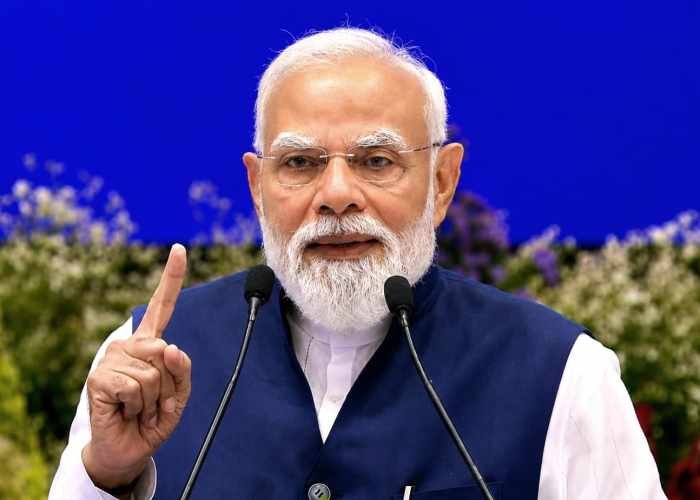
Addressing the 139th episode of his monthly radio programme, ‘Mann Ki Baat’, Modi highlighted the work of the Kheti Virasat Mission, which is encouraging sustainable agriculture and helping preserve traditional skills for future generations.
The Prime Minister said India’s traditional crafts and skills had been an integral part of the country’s identity for generations. He noted that these traditions were now inspiring new experiments and being adapted to meet contemporary needs.
Highlighting the Nav Trinjan initiative, Modi said the organisation had been working to promote organic farming and revive traditional agricultural practices. The project focuses on encouraging natural cotton cultivation in Punjab’s Malwa region.
Under the initiative, cotton is grown without chemical inputs. Naturally coloured cotton is also cultivated to reduce the need for chemical dyes in yarn and fabric, helping minimise the environmental impact of textile production.
The Prime Minister emphasised that such sustainable practices could contribute significantly to environmental protection while preserving indigenous agricultural traditions.
Modi also highlighted the weaving school established under the initiative a few years ago to pass traditional weaving skills on to the next generation. He said the school had transformed the lives of several people, particularly women, by equipping them with practical skills and helping them develop sustainable sources of income.
Citing the example of Ramandeep Kaur, the Prime Minister said she had previously worked as a labourer but had become a skilled weaver after receiving training at the school.
He also spoke about Rekha Rani, who had never seen a handloom before enrolling for training. Her progress from being unfamiliar with weaving to producing finished textiles demonstrated how traditional crafts could open up new opportunities.
Modi revealed that a shawl woven by Rekha Rani had been presented to the President of India, highlighting the recognition her work had received.
The Prime Minister also mentioned Suneha Devi, who had earlier worked in other people’s homes but was now producing impressive fabrics on a handloom.
Another beneficiary, Rajini Kaur, had previously relied on agricultural labour for her livelihood. After developing her weaving skills, she was able to improve her ability to support and manage her household, Modi said.
He added that many women trained at the school were now using yarn made from indigenous organic cotton to produce shawls, towels and other textile products, helping them improve their economic circumstances.
“After training at the school, many such women are using yarn made from indigenous organic cotton to produce shawls, towels, and other textiles. These efforts are bringing greater prosperity in their lives,” the Prime Minister said.
Modi also recalled meeting the team behind the initiative on National Handloom Day, praising their passion and dedication to preserving traditional crafts and promoting sustainable livelihoods.
He extended his best wishes to the team, expressing hope for its continued success in combining traditional knowledge, environmental responsibility and economic empowerment.
 FOLLOW NOW