
Kathmandu, September 10, 2026 (Yes Punjab News)
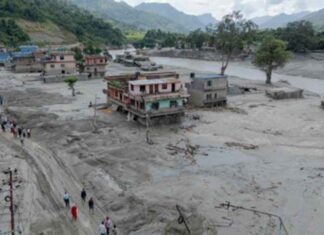
Nepal will require an estimated NPR 723.315 billion ($4.74 billion) for reconstruction and recovery following the devastating floods along the Bhotekoshi River in Rasuwa district on August 26, according to a Rapid Damage and Needs Assessment (RDNA) released by the government on Thursday.
The assessment was prepared by a joint technical team from the National Planning Commission and the National Disaster Risk Reduction and Management Authority. The estimated requirement reflects the extensive loss of life and damage to infrastructure, energy systems, homes and economic activity across the affected areas.
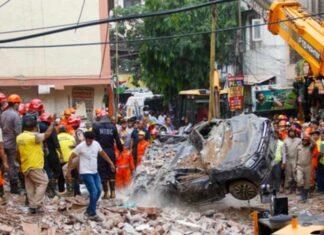
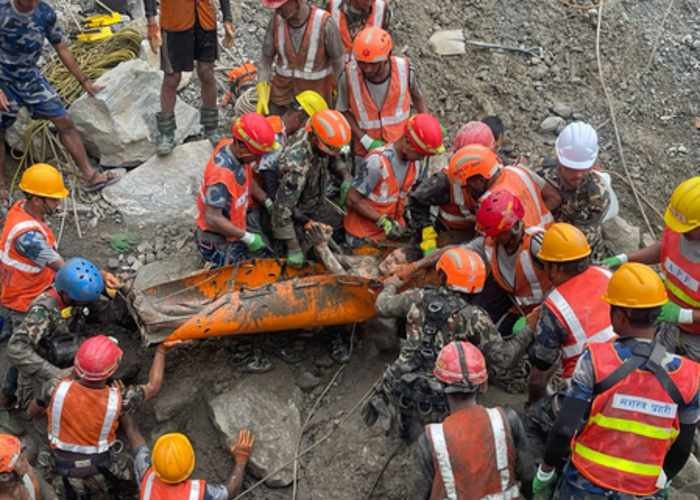
As of 11 a.m. Thursday, the floods had reportedly claimed 1,377 lives, while 5,130 people remained missing. The disaster caused widespread destruction along the Bhotekoshi and Trishuli river corridors, including damage to more than a dozen hydropower projects.
The infrastructure sector accounts for the largest share of the recovery requirement, with NPR 473.572 billion ($3.1 billion) estimated to be needed for restoration.
The energy sector was among the worst affected. The floods damaged 13 hydropower projects with a combined capacity of 759 MW and five solar plants with a total capacity of 24 MW. The RDNA estimates NPR 390.623 billion ($2.56 billion) will be required to restore energy and power-grid systems.
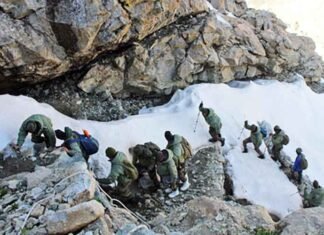
The Independent Power Producers’ Association, Nepal (IPPAN) said 917 people associated with 11 hydropower projects in the affected Bhotekoshi and Trishuli corridors remain uncontactable. Rescue teams are investigating whether some of them may be trapped inside hydropower tunnels.
Transport infrastructure also suffered major losses. Around 69 km of roads were damaged, 33 motorable bridges were washed away and four others sustained partial damage. Of 64 suspension bridges in the affected areas, 53 were damaged. The government estimates NPR 73.343 billion ($481 million) will be needed for transport recovery.
The floods damaged 7,570 private houses, 48 public buildings, 18 schools, seven health facilities and 30 cultural heritage sites across Rasuwa, Nuwakot, Dhading, Gorkha and Chitwan. Recovery of the social sector is estimated at NPR 103.55 billion.
The productive sector, including trade, businesses, banking and agriculture, is expected to require NPR 50.775 billion for recovery. The assessment recorded damage to 1,806 hectares of agricultural land, 17 bank branches and 4,800 business establishments.
Among 15 affected local governments, Bidur Municipality in Nuwakot reported the highest number of damaged homes, with 3,026 houses affected.
The government has additionally estimated NPR 94.753 billion for disaster risk reduction and river management and NPR 515.4 million for clearing mud and debris.
The RDNA has divided the recovery programme into short- and long-term phases. Immediate relief and short-term reconstruction over the next six months is estimated to cost NPR 8.735 billion, while long-term reconstruction will require a further NPR 714.58 billion.
The scale of the requirement highlights the enormous financial challenge facing Nepal as it seeks to rebuild infrastructure, restore livelihoods and strengthen resilience in the flood-affected regions.
 FOLLOW NOW