
Kochi, September 10, 2026 (Yes Punjab News)
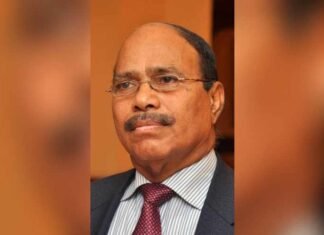
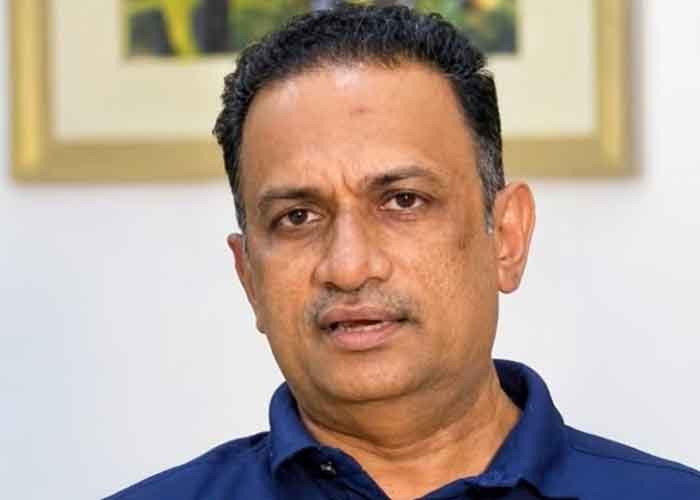
The death of senior Kerala journalist Jijo John Puthenzheth has sparked concern over the increasingly hostile nature of political discourse on social media, after a section of users allegedly targeted him with abusive comments even after his death.
Jijo, 54, suffered a cardiac arrest and died on Wednesday morning. He was a senior journalist with the Kochi unit of Malayala Manorama and was known for his investigative reporting and coverage of politics and governance.
Following news of his death, condolence posts on social media were reportedly met with comments attacking and vilifying the journalist. The reactions went beyond criticism of his professional work, with some users directing political abuse at a person who was no longer alive to respond.
Jijo had produced several reports critical of the Left and the CPI-M, earning both recognition and criticism during his career. His journalism, however, also received national acclaim, including the Ramnath Goenka Award in 2015. Several of his investigative reports attracted attention beyond Kerala.
The social media reaction has drawn criticism from sections of society, with many questioning whether political differences have reached a stage where even death is no longer treated as a boundary for public decency.
Congress leader and Kerala Chief Minister V.D. Satheesan, in his condolence message, recalled his personal association with Jijo. He said he had left for office on Wednesday after reading Jijo’s byline, only to learn of his death following a Cabinet meeting.
Satheesan said it took him time to accept that Jijo was no more. Recalling their long association, he described the journalist as a fellow townsman and close friend and said he had met him just days before his death. Their conversations on various issues, he added, had been a regular part of his political life.
Jijo’s death has also prompted renewed discussion about the distinction between scrutinising journalism and targeting journalists personally. Disagreements over reports, political positions or journalistic methods are a normal part of public discourse, but the response to his death has raised questions about the limits of political hostility.
For many who knew his work, Jijo’s legacy lies in his investigative reporting, national recognition and decades of journalism rather than the hostile caricature created by social media comments after his death.
 FOLLOW NOW