
New Delhi, October 27, 2026 (Yes Punjab News)
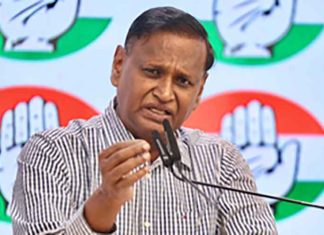
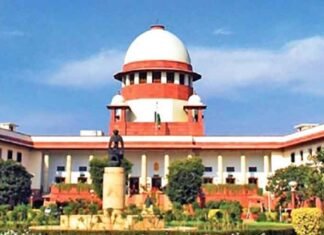
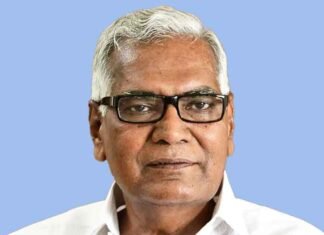
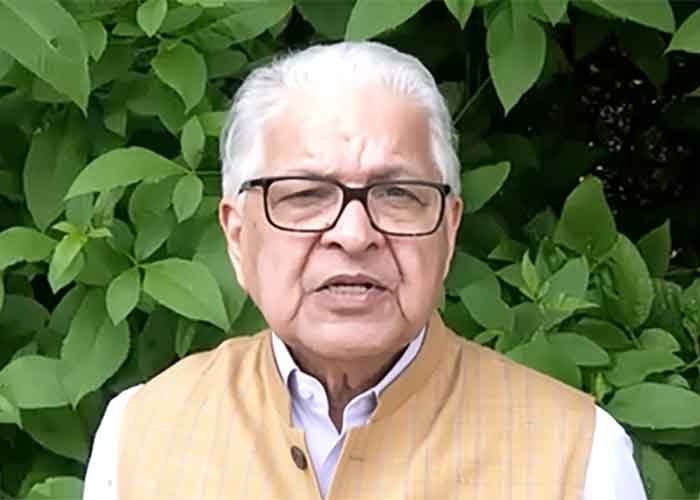
Former Union Law Minister Ashwani Kumar on Tuesday said the Supreme Court must determine the implications of the Election Commission of India’s (ECI) submission that its decisions on the Special Intensive Revision (SIR) of electoral rolls were taken unanimously.
His remarks came after the poll panel filed a counter-affidavit clarifying its decision-making process and rejecting allegations that it had amended Form 6, the statutory document prescribed for the inclusion of names in electoral rolls.
In its affidavit, the ECI described as misleading the allegation that it had amended Form 6 through its SIR orders dated June 24, 2025, October 27, 2025, and May 14, 2026.
The Commission clarified that the declaration required under the SIR orders was a separate document and did not form part of Form 6. It also maintained that Form 6 could be amended only by the Central Government.
Speaking to IANS, Kumar said the affidavit was significant because the central issue behind the ongoing agitation concerned allegations that Chief Election Commissioner Gyanesh Kumar had taken decisions independently rather than in consultation with the other Election Commissioners.
“The Election Commission’s affidavit is very important because the main issue over which the agitation is taking place is that the Chief Election Commissioner used to take decisions on his own and not in consultation with others. Regarding this, the affidavit filed in the Supreme Court now clearly states that all decisions were ultimately taken unanimously,” Kumar said.
He said the Supreme Court would have to examine the implications of the ECI’s submission, particularly in view of reports that the two Election Commissioners had raised objections at an earlier stage.
“The Supreme Court now has to decide whether, if the decisions were unanimous, it should be understood that the objections raised by both Election Commissioners at one stage were withdrawn by them or were not considered valid. The Supreme Court is yet to decide this,” Kumar said.
Kumar also addressed the controversy over Form 6 and the additional information sought from applicants during the SIR exercise.
He said the ECI’s affidavit maintained that the prescribed statutory form had not been changed, while acknowledging that a separate declaration had been introduced to collect additional information.
“As far as Form 6 is concerned, the Election Commission’s affidavit states that, according to the report, no changes were made. However, it is also true that additional information was sought in a declaration form by the CEC or an Election Commissioner, apart from Form 6. The Supreme Court will now have to decide whether the additional information sought actually changes Form 6 in the true sense,” Kumar added.
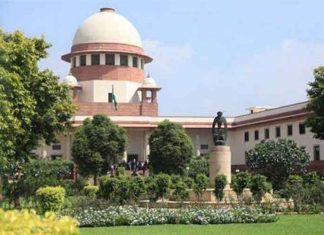
The Supreme Court’s examination of the matter will determine how the Commission’s explanation regarding unanimous decision-making and the separate declaration form bears on the challenges to the SIR process.
 FOLLOW NOW