

Kolkata, October 17, 2026 (Yes Punjab News)
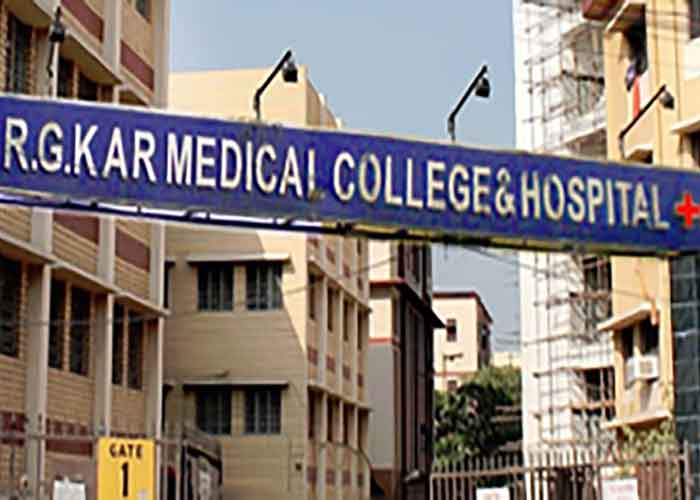
The father of the junior doctor who was raped and murdered at Kolkata’s state-run RG Kar Medical College and Hospital in August 2024 has threatened to launch a fresh protest in West Bengal following the Supreme Court’s decision to grant bail to former hospital principal Sandip Ghosh in a financial irregularities case.
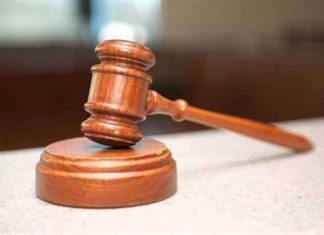
A Supreme Court Bench comprising Justice M.M. Sundresh and Justice Prasanna B. Varale granted bail to Ghosh on Friday, citing his prolonged incarceration and the slow progress of the trial.
“I will see it through to the end. Even if necessary, I will call for a fresh movement in the state on this issue and hit the streets,” Sekhar Debnath, the victim’s father, told mediapersons.
Asked whether another agitation would amount to a protest against the BJP-led state government, particularly as his wife, Ratna Debnath, the victim’s mother, is a legislator from the ruling party, he said political considerations would not deter him from pursuing justice for his daughter.
“It really does not matter that she is a part of the ruling dispensation. I will do whatever is necessary for justice,” he said.
The latest development has revived concerns surrounding the case and the alleged financial irregularities at RG Kar Medical College and Hospital, where Ghosh served as principal under the previous Trinamool Congress government led by Mamata Banerjee.
Information about alleged large-scale financial irregularities at the institution emerged after the junior doctor’s rape and murder in August 2024. The Central Bureau of Investigation (CBI) subsequently arrested Ghosh in connection with alleged corruption at the state-run medical college.
The victim’s parents had also alleged that influential people were involved in their daughter’s death. Debnath has now indicated that he could return to the streets to protest against the latest court decision and renew his demand for justice.
Ghosh approached the Supreme Court after the Calcutta High Court rejected his bail plea. While considering his petition, the apex court took note of the pace of the trial and the period he had spent in custody.
The Bench observed that although Ghosh had remained in custody for more than two years, statements had been recorded from only a small fraction of the 147 witnesses cited in the case.
Taking into account his prolonged incarceration and the slow progress of the proceedings, the court granted him bail.
The decision has prompted the victim’s father to signal the possibility of another round of protests in West Bengal as he continues to seek justice for his daughter.
 FOLLOW NOW