New Delhi, September 18, 2026 (Yes Punjab News)
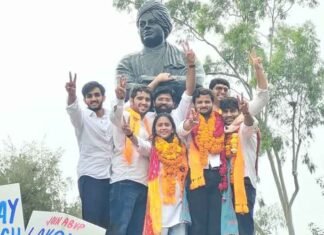
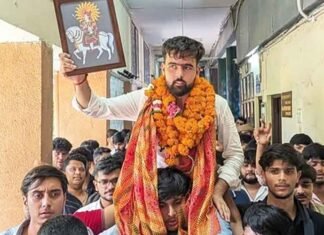
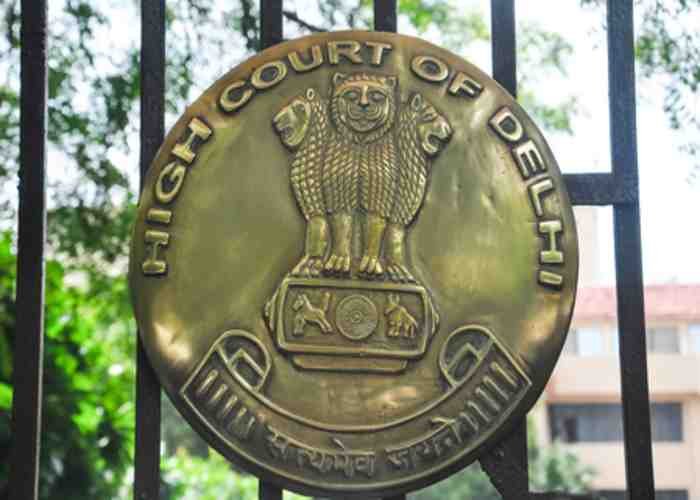
The Delhi High Court on Friday barred candidates, students, supporters and others from taking out victory processions following the declaration of results in the Delhi University Students’ Union (DUSU) elections, warning that violations could invite criminal and administrative action and amount to contempt of court.
A Bench comprising Chief Justice Devendra Kumar Upadhyaya and Justice Tejas Karia also issued notices to all 140 candidates contesting the DUSU elections and to student organisations. The court has sought explanations on why exemplary electoral damages should not be imposed for alleged violations of the Lyngdoh Committee recommendations and previous judicial orders.
The court directed that no victory procession be held on Delhi roads, inside college campuses or in hostels after the election results are announced.
“It will be the responsibility of the Delhi Police to ensure that any such victory procession does not take place. Any violation shall not only attract criminal and administrative action against the students but shall also amount to contempt of court,” the Bench ordered.
The directions were issued against the backdrop of the court’s earlier experience with alleged repeated violations of the Lyngdoh Committee recommendations and its orders during DUSU elections.
The court also indicated that electoral damages could be imposed collectively on student organisations as well as individual students found violating the prescribed norms.
During the hearing, Additional Solicitor General Chetan Sharma informed the court about action taken over alleged violations during the election process. According to the submissions, authorities had issued 998 challans, impounded 30 vehicles, rusticated one student, registered six FIRs and arrested four students. Another 5,737 challans were issued for defective vehicles and driving without licences.
The High Court directed Delhi Police to ensure that criminal proceedings against alleged violators reach their logical conclusion. It also questioned student organisations over the conduct of candidates and supporters during campaigning and stressed the need to curb repeated violations of the Lyngdoh Committee recommendations.
The Bench observed that the administrative action taken by Delhi University did not appear to be sufficient to deter students from alleged hooliganism and other unlawful activities.
The latest directions came a day after the court warned that it could stay the counting of votes or declaration of results if it was dissatisfied with the action taken by Delhi University and Delhi Police against alleged violators.
On Thursday, the court had clarified that it was not staying or postponing polling scheduled for September 18, but warned that a harsher order could follow if the authorities failed to demonstrate effective action.
The proceedings stem from a petition filed by advocate Prashant Manchanda seeking enforcement of the Lyngdoh Committee recommendations, anti-defacement guidelines and the DUSU election code of conduct.
The petitioner had alleged incidents of violence, vandalism and the entry of outsiders during campaigning. The court subsequently directed Delhi University and Delhi Police to place on record details of action taken against those allegedly involved.
In an October 2024 order concerning DUSU and college elections, the High Court had directed that vote counting should not take place until it was satisfied that posters, graffiti, hoardings and spray paint had been removed, vandalised public property restored and losses caused by defacement recovered from erring candidates.
The court had also expressed its prima facie view that money and muscle power had been extensively used in DUSU and college elections in violation of Lyngdoh Committee guidelines, and directed authorities to prevent further defacement of public property.
The High Court had observed that elections, which were expected to represent a “festival of democracy”, had instead been turned into what it described as a festival of money laundering and defacement of public property.
 FOLLOW NOW