

Washington/Kathmandu, August 27, 2026 (Yes Punjab News)
A Nepali diaspora community leader has praised India for its swift response to the devastating flash floods in Nepal while criticising China for what he described as a lack of timely information-sharing that may have hindered evacuations.
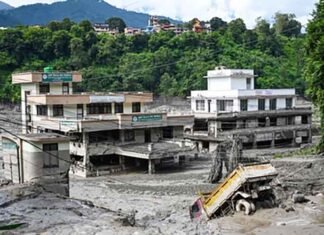
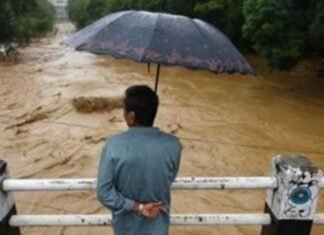
Ojha Hari, speaking to IANS on Thursday, said the floods had caused widespread destruction across Nepal, with hundreds of people reported dead and more than 800 still missing.
He thanked the Indian government for its prompt assistance, referring to the long-standing India-Nepal relationship as the “roti-beti ka rishta”.
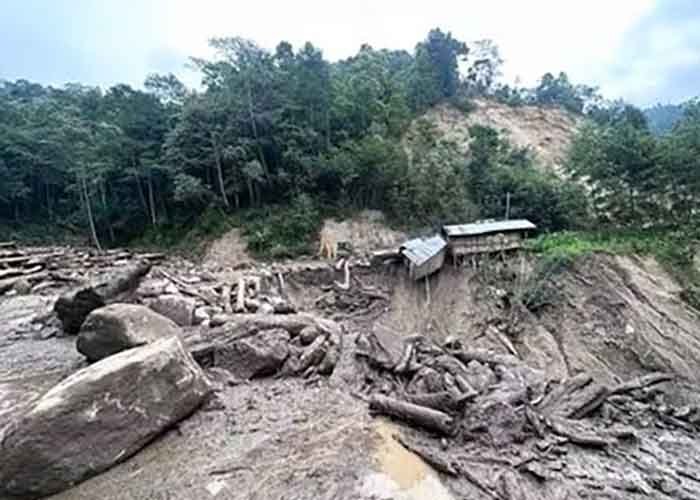
“Our hydropower stations, the riverside dams, have all been destroyed. Schools, buildings, hospitals, hydropower stations, offices — everything has been destroyed,” Ojha said, describing villages as being left empty after the disaster.
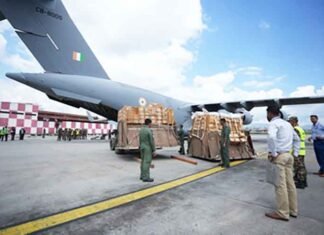
He said India’s relief response had been rapid, with supplies reaching affected areas soon after arriving in Nepal.
“It was very quick. It already reached the people by today,” he said, adding that relief material had reportedly reached the airport the previous day before being sent onward to affected areas.
Ojha also appealed for wider international assistance, saying Nepal faced enormous economic and infrastructure losses. He claimed that more than 15 per cent of the country’s hydropower capacity had been affected and that the financial losses could run into billions of dollars.
He said international support would be essential for Nepal’s recovery and again expressed gratitude to India for sending relief supplies.
Ojha criticised China over what he described as delayed information about the disaster. The flash flood originated in the Tibetan region of China and swept through the transboundary Bhote Koshi River before causing extensive destruction in Nepal.
He said timely information-sharing could have helped more people evacuate.
“Due to the lack of information sharing, I think there was kind of a little bit failure in information sharing so that many people could not go out, could not evacuate from that location,” he said.
Ojha added that communication remained difficult in affected areas, with power outages and depleted mobile phone batteries further hampering contact with people there.
 FOLLOW NOW