
Kathmandu, August 27, 2026 (Yes Punjab News)
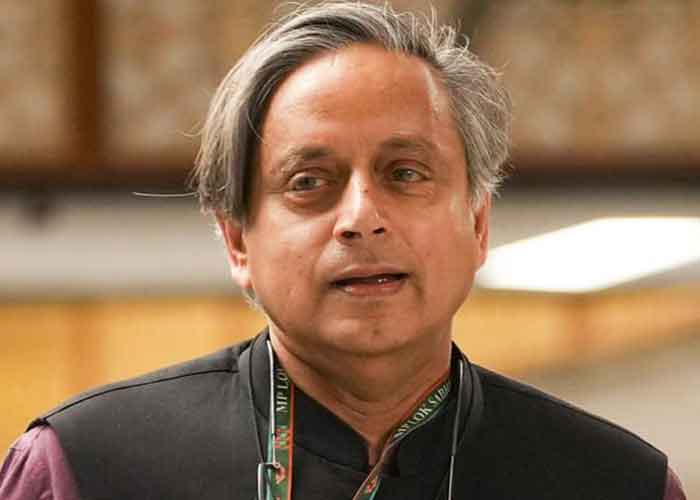
Congress MP and former diplomat Shashi Tharoor on Thursday said India’s democratic system had demonstrated resilience in the face of recent Gen Z-led protests, arguing that the system “bent, didn’t break” under pressure.
Speaking at the NDTV World Anviksha Summit in Kathmandu, Tharoor compared youth-led protests and their political consequences across South Asia over the past decade.
He said significant youth protests had taken place in six major South Asian countries, beginning with Myanmar in 2012 and followed by movements in Pakistan, Sri Lanka, Bangladesh, Nepal and, more recently, India.
“Starting with Myanmar protests in 2012, we then saw young people hitting the streets in Pakistan, Sri Lanka, Bangladesh, Nepal and recently in India,” Tharoor said, describing the developments as different manifestations of Gen Z anger.
According to Tharoor, the major distinction between these movements lay in the political systems of the countries concerned and the responses of their political establishments.
He said political upheavals in Bangladesh and Sri Lanka eventually forced the governments in power to leave, paving the way for new leadership. Nepal also witnessed a change in government following fresh elections.
In Pakistan, Tharoor said, the military intervened and installed what he described as a “puppet government”, while Myanmar experienced a complete military takeover.
India, he argued, followed a different trajectory because of the resilience of its democratic institutions. Tharoor pointed to what he described as a “self-correcting mechanism” within the Indian political system, which allowed the concerns of young protesters to be heard and accommodated.
“In India, however, the mechanism is self-correcting. There is a democratic system which adapted itself to the new reality with astonishing speed,” he said.
Tharoor maintained that India’s functioning democratic framework enabled the government to respond to the demands raised by young protesters without triggering a collapse of the political system.
His remarks came during a broader discussion at the summit on youth discontent, political systems and the differing trajectories of democratic resilience across South Asia.
 FOLLOW NOW