New Delhi, August 17, 2026 (Yes Punjab News)
India’s major oil marketing companies (OMCs) saw their profitability weaken in the first quarter of FY27 as steep LPG under-recoveries and marketing losses offset gains from improved refining margins, according to a report by CareEdge Ratings.
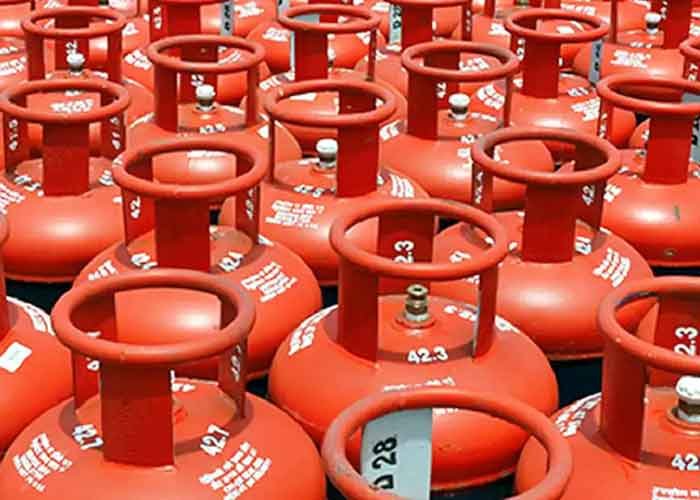
The three major OMCs recorded combined LPG under-recoveries of around Rs 13,700 crore in Q1FY27, even after adjusting for Rs 7,500 crore in compensation. The companies continued to sell LPG below market-determined prices amid a sharp increase in global sourcing costs.
Total LPG under-recoveries rose to approximately Rs 61,900 crore as of June 30, 2026, from Rs 48,200 crore at the end of March.
CareEdge Ratings attributed the increase to unprecedented disruptions in the global LPG supply chain following the West Asia conflict and the closure of the Strait of Hormuz. The disruptions significantly widened the gap between LPG procurement costs and domestic retail prices.
The Saudi Contract Price (CP), a key international LPG benchmark, increased nearly 50 per cent, from an average of $530 per metric tonne in FY26 to $785 per MT in Q1FY27.
However, LPG prices subsequently eased as supply conditions improved. Saudi CP fell to $592 per MT in July and stood at $632 per MT in August 2026.
India imports around 60 per cent of its LPG requirements. During the supply disruption, the country rapidly diversified its sourcing away from West Asian suppliers towards the US and other markets, although this resulted in significantly higher landed costs.
To partly offset the rise in procurement costs during Q1FY27, domestic LPG prices were increased by Rs 89 per 14.2-kg cylinder.
With the decline in Saudi CP from July reducing LPG sourcing costs, the pressure on OMCs is expected to ease. CareEdge Ratings estimates that LPG under-recoveries could decline by around 40 per cent sequentially in Q2FY27.
The improvement in global supply conditions, coupled with lower international LPG prices, is therefore expected to provide some relief to the OMCs in the coming quarter, although accumulated under-recoveries remain substantial.
 FOLLOW NOW