
Amritsar, August 10, 2026 (Yes Punjab News)
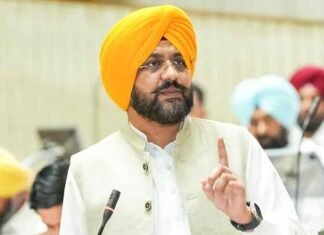
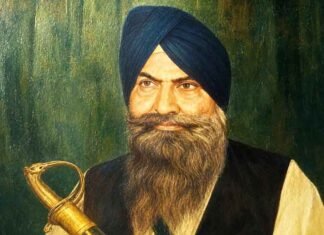
The ideals of equality, education, service and social responsibility associated with S. Teja Singh Samundri remain relevant in contemporary society and can serve as an inspiration for young people, Delhi Lieutenant Governor S. Taranjit Singh Sandhu said on Monday.
Sandhu was addressing a function organised at Guru Nanak Dev University (GNDU) to commemorate the life and contribution of S. Teja Singh Samundri. He emphasised the importance of introducing younger generations to Punjab’s history and the values embodied by prominent figures from the past.
GNDU Vice-Chancellor Prof. (Dr.) Karamjeet Singh welcomed Sandhu and other dignitaries and recalled Samundri’s contribution. He said efforts to connect students with the lives of personalities who played significant roles in Punjab’s history were essential for preserving historical awareness.
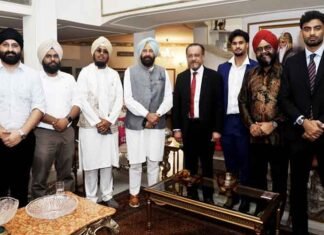
Dean Academic Affairs Dr H.S. Saini, Registrar Dr K.S. Chahal, Dr Avtar Singh of Amandeep Hospital and theatre personality Kewal Dhaliwal were among those present.
A special exhibition featuring rare photographs from Samundri’s life and important historical events of his era was organised as part of the programme. The exhibition drew the attention of students, guests and visitors.
The programme also featured a theatre presentation on Samundri’s life, directed by Kewal Dhaliwal. The performance depicted his ideals, struggles and contribution to society.
Appreciating the presentation, Sandhu congratulated Dhaliwal and the theatre team, saying theatre could bring historical personalities and events alive for younger audiences and help them understand history beyond textbooks.
Sandhu said the period from 1920 to 1926 was particularly significant in Punjab’s history and Sikh leadership. He noted Punjab’s role in the national freedom movement during the period and said the principles of non-violent struggle, equality and social reform gained greater strength during that era.
He urged young people and parents to discuss Punjab’s history and the contributions of its eminent personalities with children. Education, he said, was an important instrument of social transformation during Samundri’s time and remained a powerful means of empowering youth.
Calling on students to lead an “impactful life”, Sandhu said every individual could contribute to positive social change, referring to the “Power of One”.
He also appreciated GNDU’s efforts to prepare students for emerging fields and technologies, including Artificial Intelligence. Sandhu encouraged successful professionals, teachers and experienced individuals to share their knowledge and expertise with younger generations.
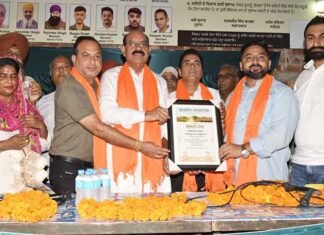
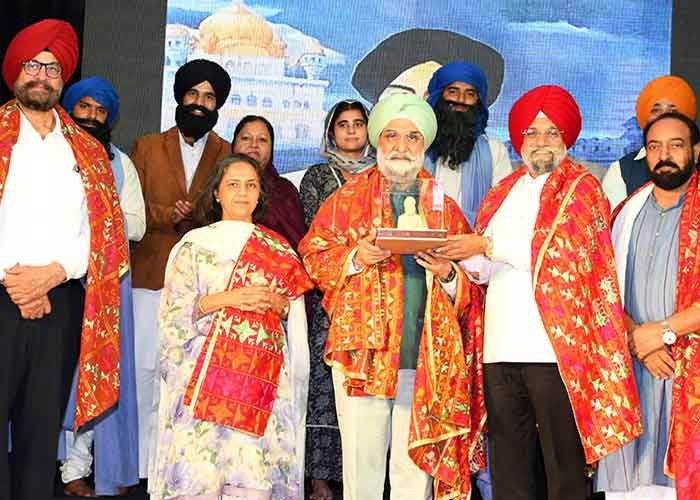
The programme concluded with the felicitation of Sandhu and the artists who portrayed various characters in the play. Dhaliwal was specially honoured for directing and contributing to the theatrical presentation.
 FOLLOW NOW