

Srinagar, October 26, 2026 (Yes Punjab News)
Political speculation has intensified in Jammu and Kashmir ahead of the reshuffled and expanded Cabinet’s swearing-in ceremony, scheduled for 10.30 a.m. on Tuesday at Lok Bhawan, following invitations issued by Lieutenant Governor Manoj Sinha.
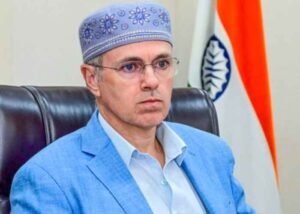
Chief Minister Omar Abdullah has said the list of ministers to be sworn in has been finalised in consultation with National Conference (NC) president Dr Farooq Abdullah. He has also urged party MLAs to avoid lobbying for ministerial positions and wait for the official announcement.
“Please don’t send me WhatsApp messages. I have been receiving long WhatsApp messages including bio-data and long stories as if I don’t know them. Please have patience till the swearing-in takes place. Everybody will come to know his/her destiny,” Omar told reporters after meeting the Lieutenant Governor to finalise the timing of the ceremony.
Jammu and Kashmir has a 90-member Legislative Assembly. Under the Jammu and Kashmir Reorganisation Act, 2019, the Council of Ministers, including the Chief Minister, can comprise up to 10 per cent of the Assembly’s strength.
Related Posts
The Cabinet currently has six members, including Omar Abdullah, leaving room for three additional ministers if the existing ministers retain their positions. Alternatively, some incumbents could be replaced to accommodate new faces.
While the Chief Minister and the NC president are aware of the final Cabinet composition, uncertainty continues within party circles over who will secure ministerial berths. Reports suggest the party leadership has decided against inducting first-time MLAs, narrowing the field of potential candidates.
The Congress, which has six MLAs, continues to support the NC-led government from outside. Despite an offer from Omar Abdullah to join the Cabinet, Jammu and Kashmir Pradesh Congress Committee (JKPCC) president Tariq Hameed Karra has reiterated that his party will not accept ministerial positions until statehood is restored to Jammu and Kashmir.
The Congress has maintained that its decision to stay out of the Cabinet is linked to the restoration of statehood.
First-time MLAs hoping for ministerial positions may therefore have to wait for another opportunity, with their prospects depending on future changes in the Cabinet.
Tuesday’s reshuffle or expansion could potentially be the last major Cabinet exercise before the next Assembly elections, which are due in 2029.
Omar Abdullah has dismissed the possibility of a revolt among his MLAs. Given the experience of legislators who deserted the National Conference in the past, the possibility of ruling party members switching sides appears limited.
However, the government faces a more pressing challenge: growing public dissatisfaction over what critics perceive as its failure to fulfil electoral promises. Whether the reshuffled Cabinet can improve governance, accelerate delivery and meet public expectations remains to be seen.
Omar has argued that the absence of statehood has constrained his government’s ability to perform. However, amid mounting public frustration, that explanation may find diminishing acceptance among voters expecting tangible results.
For the National Conference, the reshuffle is therefore about more than balancing political interests and accommodating legislators. It is also an opportunity to strengthen governance and demonstrate progress on the promises made to the people.
The political stakes are significant. Unless the government can translate its commitments into visible improvements, public confidence could come under further pressure. The message facing Omar Abdullah and his party is increasingly clear: deliver on expectations or risk losing the people’s trust. A “perform or perish” test could define the NC’s political fortunes in Jammu and Kashmir ahead of the next Assembly elections.
 FOLLOW NOW