New Delhi, September 19, 2026 (Yes Punjab News)
Intelligence officials have warned of an alleged psychological warfare campaign by Pakistan’s Inter-Services Intelligence (ISI) that uses doxxing, online harassment and intimidation to create fear and panic among people in India.
According to the officials, the alleged campaign involves recruiting individuals and using hacking capabilities to obtain personal information such as phone numbers, photographs, physical locations and, in some cases, bank-related details. The information is then allegedly intended to be posted online alongside threatening messages.
“Doxxing is the new weapon of the ISI, and the agency is spending a good amount of time and money recruiting youth to gather personal information about random people,” a senior official said.
An Intelligence Bureau official described the alleged activity as part of a broader propaganda and psychological warfare effort. While one aspect involves propaganda against the state, another involves publishing the personal details and photographs of individuals with threatening messages, the official said.
“What looks like mischief is actually part of a larger psychological warfare intended to scare the people of India,” the official said, adding that the publication of a person’s phone number and other personal details online could itself generate fear and panic.
Officials said personal information was allegedly being collected through multiple methods, including the recruitment of people to gather photographs and other details and attempts to hack into personal data. The latter could potentially provide access to sensitive financial information, which officials said could also be exposed publicly.
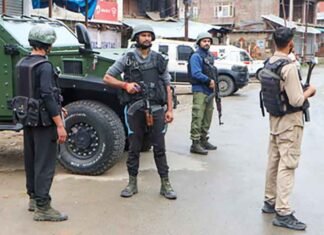
According to the officials, doxxing had earlier been used in Jammu and Kashmir, initially targeting Kashmiri Pandits and later migrant workers. They said the alleged objective was to create an atmosphere of fear in the region and that a similar tactic could now be expanded to other parts of the country.
Officials further claimed that the alleged strategy was being extended beyond ordinary citizens to law enforcement and military personnel, journalists, researchers and public officials.
They said targeting such individuals could have an additional objective of discouraging them from reporting or investigating activities allegedly linked to the ISI and Pakistan-sponsored terrorism.
Officials described the alleged campaign as a relatively low-cost form of propaganda and psychological warfare, saying it could be deployed without the extensive planning required for conventional terror operations.
They also claimed that Pakistan’s alleged shift towards psychological and information warfare followed what they described as difficulties in carrying out terror activities and establishing local modules in India.
 FOLLOW NOW