

Kolkata, September 18, 2026 (Yes Punjab News)
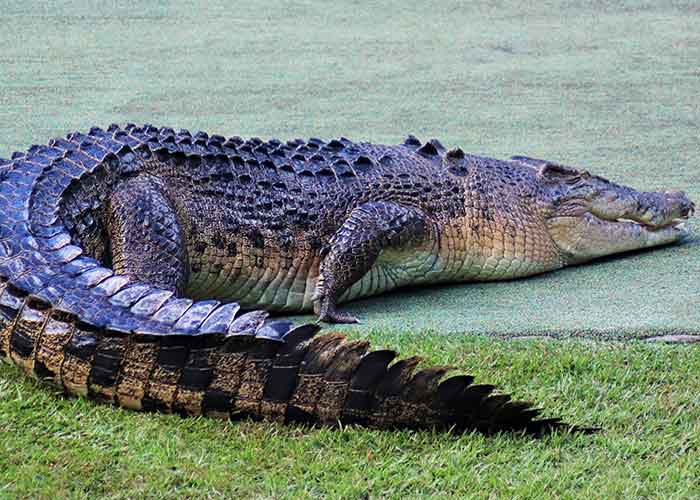
A recent study by the Wildlife Institute of India (WII) has recorded 586 saltwater crocodiles across the Andaman and Nicobar Islands, providing an island-wide assessment of the species’ distribution and population status.
The survey was conducted under the Conservation and Management Plan of Saltwater Crocodile (Crocodylus porosus) in the Andaman and Nicobar Islands, undertaken by WII at the direction of the Andaman and Nicobar Islands Integrated Development Corporation Limited (ANIIDCO) in collaboration with the Andaman and Nicobar Forest Department.
The saltwater crocodile is the world’s largest living crocodilian and inhabits coastal environments such as lagoons, deltas, estuaries, marshes and creeks. In India, the species occurs in three separate populations along the eastern coast in Odisha, West Bengal and the Andaman and Nicobar Islands.
For the population assessment, 536 personnel were trained across nine forest divisions before fieldwork began. Of the 176 creeks selected for the survey, 173 were successfully covered, while three could not be surveyed because of accessibility constraints.
According to the report, researchers used a dependent double-observer method to count crocodiles and estimate detection probability. The fieldwork was conducted in three closely spaced phases during February and March 2026 to minimise crocodile movement between creeks and support the assumption that the population remained closed during the survey.
Four replicate surveys — two during the day and two at night — were conducted at each site to improve detection and account for differences between observers.
Across the 173 surveyed creeks, researchers recorded 586 crocodiles. The reptiles were detected in 91 creeks, accounting for 52.6 per cent of the surveyed sites.
The study found that nearly 47 per cent of the estimated saltwater crocodile population was concentrated in the Little Andaman and Nicobar division.
The findings are expected to support conservation and management measures as well as efforts to reduce human-crocodile conflict in the islands.
Between 1983 and 2023, the Andaman and Nicobar Islands recorded 36 fatal and non-fatal human-crocodile conflict cases. Another study found that such conflicts increased by 75 per cent following the 2004 tsunami.
Nearly 75 per cent of attacks and sightings were reported between June and December, the wet season in the islands.
Researchers have linked some conflict incidents to livestock being kept near crocodile habitats, disposal of protein-rich food near creeks and beaches, particularly in tourist areas, and unchecked human activity near crocodile habitats during the breeding season.
Authorities have called for further research into the reasons behind the post-tsunami rise in human-crocodile conflicts. The latest population assessment is expected to help strengthen crocodile conservation while improving measures to protect people living and working near their habitats.
 FOLLOW NOW