
New Delhi, September 16, 2026 (Yes Punjab News)
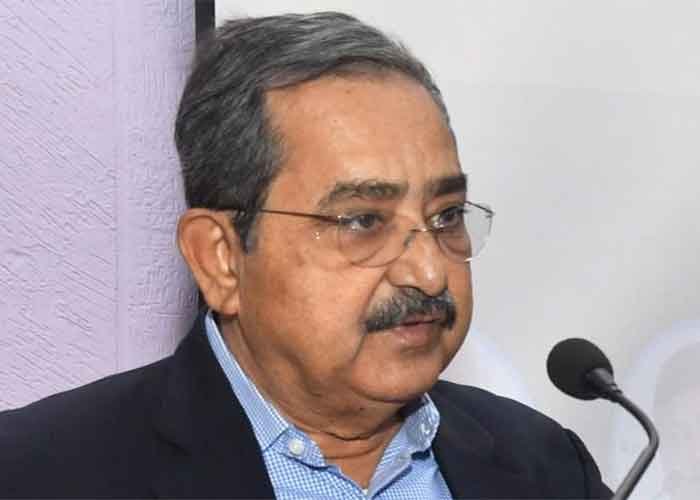
NITI Aayog Vice Chairman Ashok Kumar Lahiri on Wednesday said a small charge on certain UPI transactions could help make India’s digital payments ecosystem financially self-sustaining, while stressing that the levy should be kept as low as possible to minimise its impact on consumers.
Speaking on the issue, Lahiri said the “user-pays principle” should be considered for UPI, arguing that businesses also derive significant benefits from digital payments by avoiding the costs and inconvenience associated with handling cash and depositing cheques.
“Try to make it as little as possible, but please levy it so that UPI becomes a self-sustaining business,” Lahiri said when asked whether charging for UPI transactions above Rs 2,000 could affect digital payment adoption in India.
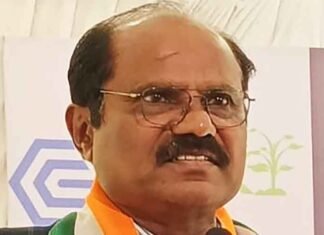
BillDesk Director and Co-founder Srinivasu MN said UPI had become an integral part of consumers’ daily payment activities, backed by substantial investments from banks, financial institutions and other stakeholders in the payments ecosystem.
He said India had crossed 500 million UPI users and that continued investment would be required in areas such as fraud prevention, technology and customer education as the digital payments network expands.
Srinivasu clarified that the proposed charge would not be imposed on consumers or small-value merchant transactions. According to him, the levy would be restricted to a limited category of transactions above Rs 2,000, while concessional charges could apply to certain routine payments, including utility bills, government tax payments, insurance and fuel bills.
He also suggested that a portion of the merchant discount rate (MDR) could be channelled into a dedicated fund to support the expansion of UPI transactions, particularly among small merchants.
Lahiri also spoke about India’s export diversification efforts amid uncertainty in major markets, including the US. He said Indian businesses should identify viable international markets themselves rather than depending on the government to prescribe specific destinations for their products.
“The world is large,” Lahiri said, pointing to potential opportunities in regions including Africa, Latin America, East Asia and Australia. He added that he did not have a specific answer on which markets individual businesses should target.
Srinivasu said India has emerged as a global leader in retail digital payments, accounting for more than half of the world’s retail digital transactions. At the same time, he noted that UPI currently serves around 500 million users, indicating further scope for expanding the digital payments ecosystem.
 FOLLOW NOW