

Chandigarh, September 16, 2026 (Yes Punjab News)
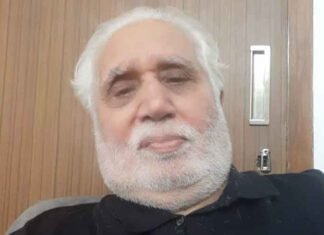
The Shiromani Akali Dal (SAD) on Wednesday opposed the Chandigarh Administration’s move to create a separate health cadre for the Union Territory, alleging that the decision would dilute Punjab’s rights in Chandigarh.
Senior SAD leader Dr Daljit Singh Cheema said the move was contrary to the party’s interpretation of the Punjab Reorganisation Act, 1966, and urged the Central Government to intervene and direct the UT Administration to withdraw the notification.
Cheema claimed that the existing arrangement provided for health staff to be posted in Chandigarh in a 60:40 ratio between Punjab and Haryana. He alleged that the UT Administration had issued a notification creating a new cadre comprising 40 per cent of the posts, despite, in his view, lacking the authority to establish a separate health cadre.
The Chandigarh Administration has in recent weeks moved towards a distinct UT Chandigarh Health Service framework. Its official website had invited stakeholder comments on draft recruitment rules for Group-A General Duty Medical Officers in August.
Cheema questioned the silence of the Aam Aadmi Party (AAP) government in Punjab over the issue and alleged that the state government had previously failed to defend Punjab’s interests concerning Chandigarh.
“Earlier also chief minister Bhagwant Mann failed to defend the rights of Punjab vis a vis Chandigarh on the dictates of AAP Convener Arvind Kejriwal,” Cheema said, adding that the latest development should be resisted.
He appealed to the Central Government to take note of the matter and direct the Chandigarh Administration to review and withdraw the notification.
Cheema also referred to the SAD’s recent opposition to a decision concerning the history syllabus at Panjab University. He claimed that the party’s intervention had resulted in the decision being reversed and said the SAD would similarly oppose the proposed separate health cadre at every level.
The Punjab Reorganisation Act, 1966 contains provisions governing services following the reorganisation of the former state of Punjab, although the specific 60:40 health-cadre arrangement cited by Cheema would require examination against the applicable orders and rules.
 FOLLOW NOW