New Delhi, September 16, 2026 (Yes Punjab News)
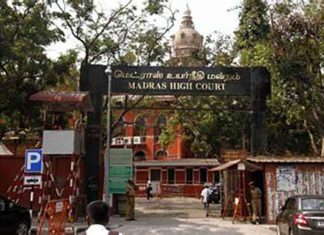
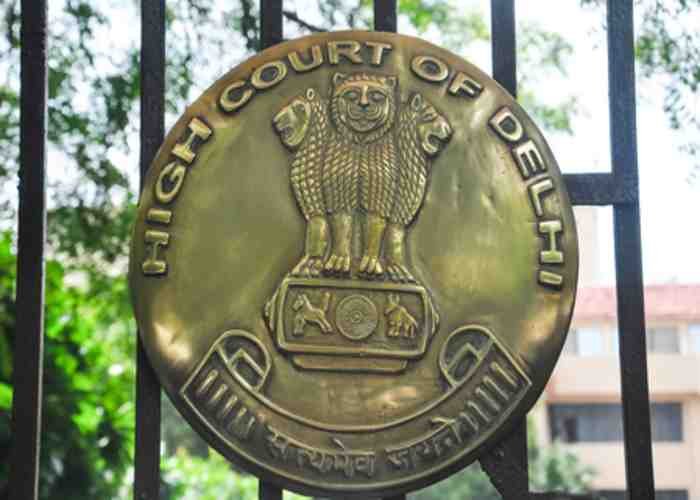
The Delhi High Court on Wednesday declined to urgently list a petition filed by the Kshatriya Karni Sena challenging the Delhi Police’s refusal to allow its proposed protest at Jantar Mantar on September 20 against reservation and the recently notified University Grants Commission (UGC) regulations.
The plea was mentioned before Chief Justice D.K. Upadhyaya, who said the matter would be listed in the ordinary course after defects in the petition were cured.
The Chief Justice indicated that the petition would be auto-listed on Thursday once the defects are rectified.
Counsel appearing for Kshatriya Karni Sena president Dr Raj Shekhawat submitted that permission had initially been granted for the proposed September 20 protest, but the Delhi Police subsequently informed the organisation that the demonstration could not be held on that date.
The organisation has proposed holding a peaceful demonstration at Jantar Mantar from 10 a.m. to 5 p.m. on September 20 against reservation and the UGC (Promotion of Equity in Higher Education Institutions) Regulations, 2026.
On September 7, the Delhi High Court had directed the Delhi Police to decide by September 14 on a fresh application submitted by the Kshatriya Karni Sena seeking permission for the September 20 demonstration.
A single-judge Bench of Justice Swarana Kanta Sharma had directed Shekhawat to submit the fresh application after his counsel informed the court that the organisation had changed the date of the proposed protest to September 20.
The court had directed the competent authority to consider the application and take a decision within a week, while making it clear that appropriate conditions could be imposed in accordance with law.
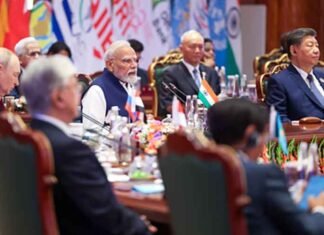
The Delhi Police had earlier denied permission for a protest proposed for September 6, citing preparations for the BRICS Summit.
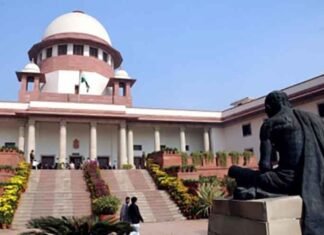
The Kshatriya Karni Sena has been seeking withdrawal of the UGC (Promotion of Equity in Higher Education Institutions) Regulations, 2026. It has also relied on a Supreme Court order under which certain provisions of the regulations were kept in abeyance after the apex court noted ambiguities in some provisions and the possibility of their misuse.
 FOLLOW NOW