

Chandigarh, September 8, 2026 (Yes Punjab News)
Timely treatment under the Mukh Mantri Sehat Yojana has given 560 diabetic foot patients in Punjab an opportunity to protect their limbs, with ₹1.32 crore spent on their treatment over the last nearly eight months, according to the latest State Health Agency data.
Diabetic foot complications can worsen without obvious warning. Nerve damage may reduce a patient’s ability to feel an injury, while poor blood circulation can delay healing and allow infections to spread to deeper tissues. In severe cases, such complications can put the affected limb at risk.
Among the beneficiaries was 47-year-old Harcharan Singh, who was suffering from advanced diabetic foot disease. Reduced sensation caused by nerve damage had made it difficult for him to detect the injury, while the infection had spread into deeper tissues. Doctors performed surgical debridement to remove infected and dead tissue and facilitate healing.
Raja, 38, also developed a serious infection after a wound went largely unnoticed because of diabetic nerve damage. With the infection posing a risk of reaching the bone, he underwent timely surgery.
Veena, 57, faced complications arising from poor circulation and a worsening foot ulcer that had reached a stage where amputation was a risk. Surgery was carried out to remove infected tissue.
Another beneficiary, 67-year-old Santokh Singh, developed a non-healing diabetic foot ulcer accompanied by pus formation. Surgical intervention was required to drain the infection and remove affected tissue.
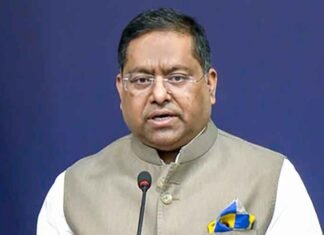
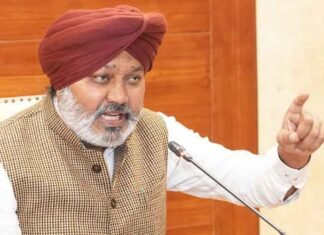
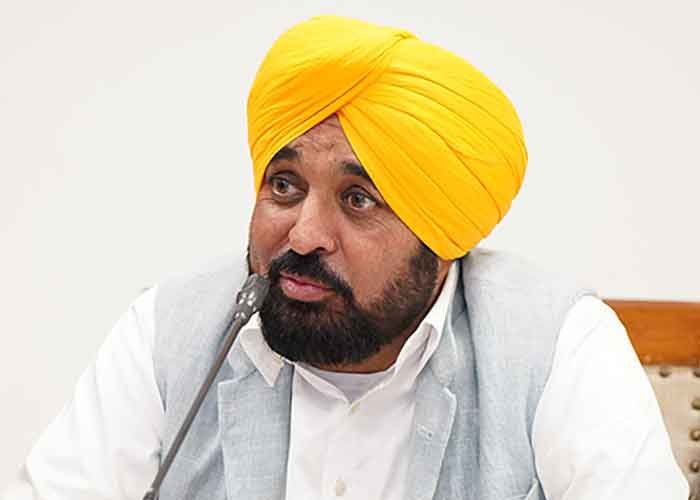
Health and Family Welfare Minister Dr Balbir Singh said every treatment under the scheme represented a patient and a family seeking timely medical care without the added burden of unaffordable expenses.
“Behind every statistic under Mukh Mantri Sehat Yojana is a human life—a father, a mother, a son or a daughter whose family is hoping for one more chance,” Dr Balbir Singh said. He added that diabetic foot complications could progress silently and, if treatment was delayed, threaten mobility and even the limb itself.
According to the data, surgical management accounted for the largest share of treatment, covering 126 patients at an expenditure of ₹44.55 lakh. Another 123 patients received medical management.
The remaining cases included prolonged dressing and antibiotic treatment, toe and foot surgeries, below-knee procedures, skin grafting, CT and MRI investigations, blood and platelet transfusions, and treatment of associated serious conditions such as diabetic ketoacidosis, severe sepsis and anaemia.
Dr Balbir Singh said the success of the scheme should be assessed not only by the number of treatments or expenditure but also by their impact on patients and families.
“The success of Mukh Mantri Sehat Yojana should not be measured only in the number of treatments or the amount spent, but in what those treatments make possible—a patient returning home, a family spared financial distress and, in cases such as diabetic foot disease, a limb that can still be saved,” he said.
 FOLLOW NOW