
Kabul, August 18, 2026 (Yes Punjab News)
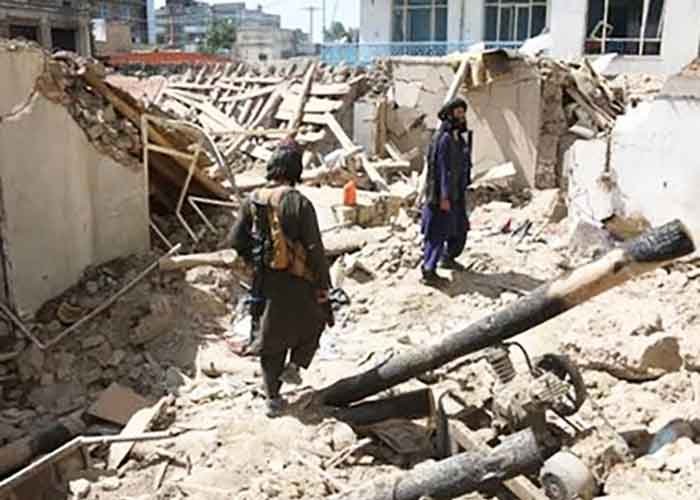
More than 52 people, including children, were injured after a hand grenade exploded near a private school in Kabul’s Dasht-e Barchi area, according to security officials and witnesses.
The blast occurred on Monday near the Sham-e Hedayat private school in western Kabul. Taliban police spokesperson Khalid Zadran confirmed that the explosion was caused by a hand grenade but did not provide details about who possessed it or how it detonated.
Witnesses said the grenade exploded while it was reportedly in the possession of a school student, who was also injured. Authorities have not yet established how the student obtained the weapon or whether the explosion was accidental or deliberate.
Dasht-e Barchi is a densely populated area of western Kabul with a large Hazara and Shia population. The area has previously witnessed deadly attacks, including incidents targeting educational institutions.
The explosion has raised fresh concerns about the safety of students and civilians amid the continued presence of weapons and explosive materials in Afghanistan following decades of conflict. Authorities are investigating the circumstances surrounding the blast.
UN Special Rapporteur on the situation of human rights in Afghanistan Richard Bennett condemned the incident and called for an independent investigation. He said the attack had harmed numerous children and noted that Dasht-e Barchi, a predominantly Hazara area, had again been targeted.
Bennett stressed that those responsible should be brought to justice.
The incident comes amid broader concerns over Afghanistan’s post-conflict recovery. Last week, the United Nations Assistance Mission in Afghanistan (UNAMA) urged the country’s de facto authorities to take steps towards lasting stability.
UNAMA has highlighted restrictions on women and girls and continuing concerns over terrorism as obstacles to Afghanistan’s recovery. Georgette Gagnon, Deputy Special Representative of the UN Secretary-General and Officer-in-Charge of UNAMA, said lasting peace requires more than the absence of armed conflict and called for institutions that are responsive and accountable and a society in which the rights and potential of all Afghans are protected.
 FOLLOW NOW