New Delhi, September 15, 2026 (Yes Punjab News)
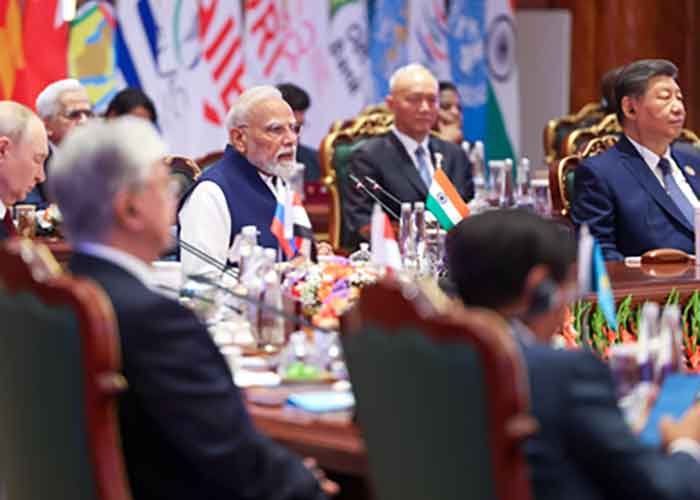
The condemnation of the 2025 Pahalgam terror attack in the New Delhi Declaration adopted at the 18th BRICS Summit represents an important diplomatic achievement for India, according to a report published in Rising Kashmir.
The declaration strongly condemned the April 22, 2025, terrorist attack in Jammu and Kashmir’s Pahalgam and reiterated the BRICS countries’ commitment to combating terrorism in all its forms, including the cross-border movement of terrorists, terror financing and the provision of safe havens.
The report noted that while Pakistan has not been explicitly named in the declaration, the terminology agreed upon by the diverse BRICS grouping carries significant political importance for India.
“Pakistan has not been expressly named. That fact should neither be concealed nor exaggerated. Yet the political significance of the declaration lies precisely in the terminology accepted by a diverse group of important nations. For India, the development represents an important diplomatic achievement,” Sunil Sethi and Altaf Thakur wrote in Rising Kashmir.
The report said India had ensured that the Pahalgam attack remained an important diplomatic issue rather than becoming another incident in the long list of terror attacks faced by the country. Its inclusion in the BRICS declaration has given the issue a broader multilateral dimension, particularly alongside references to cross-border terrorism, terror financing and safe havens.
BRICS leaders condemned the April 22, 2025 attack, in which 26 people were killed and several others injured, and reiterated their resolve to counter terrorism while calling for zero tolerance.
“We express strong condemnation of any acts of terrorism as criminal and unjustifiable, regardless of their motivation, whenever, wherever and by whomsoever committed,” the declaration said.
The leaders also stressed that terrorism should not be associated with any religion, nationality, civilisation or ethnic group and called for those involved in terrorist activities and their support networks to be held accountable and brought to justice under relevant national and international law.
The declaration further rejected double standards in countering terrorism and emphasised the responsibility of states in combating terrorist threats. It said international counter-terrorism efforts must comply with international law, the UN Charter and relevant international conventions and protocols.
The Rising Kashmir report argued that India has consistently maintained that terrorism in Jammu and Kashmir cannot be viewed solely through the lens of a political dispute, as terrorist operations require weapons, training, financing, recruitment networks and safe locations.
It said the BRICS declaration’s reference to these elements strengthens India’s broader diplomatic position that combating terrorism requires action against not only perpetrators but also the networks and infrastructure that enable terrorist activities.
 FOLLOW NOW