
New Delhi, October 29, 2026 (Yes Punjab News)
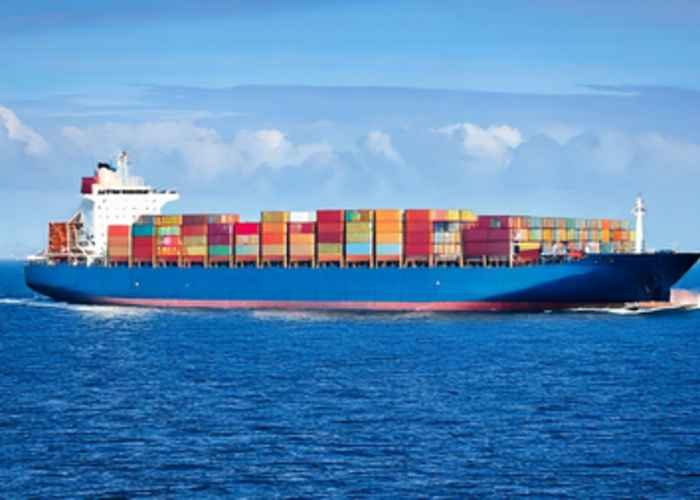
Around 18,000 containers belonging to Iranian cargo owners remain stranded at Pakistani ports, with storage, demurrage and transportation charges reportedly exceeding $25,000 for some shipments, making their clearance financially unviable, according to an IranWire report citing Iranian transport industry representatives.
Mohammad-Ali Kargascha, a board member of Iran’s International Transport Companies Association, gave the estimate during a meeting of the Transport Commission of the Tehran Chamber of Commerce, Mehr News Agency reported.
Kargascha said the value of many shipments was between $20,000 and $30,000, close to the amount owners would have to spend to clear and transport the goods. He identified high port charges, bills of lading issued under intermediary companies and concerns about potential sanctions-related repercussions as major obstacles.
The disruption reportedly began in March 2026 after maritime transport restrictions linked to the Middle East war forced some cargo to be unloaded at Pakistani ports. The goods have since faced financial and operational hurdles in reaching Iran.
Kargascha said owners of only about 1,000 containers had begun clearance procedures despite follow-up notices.
Peyman Sanandaji, head of the Tehran Chamber of Commerce’s Transport Commission, said the issue was being pursued with Iran’s Ministry of Foreign Affairs and its embassy in Pakistan. An updated list of cargo owners, distinguishing shipments destined for Iran from those bound for third countries, is expected to be sent to Pakistani authorities.
Sanandaji also alleged that some companies lacking Pakistani accreditation had collected large sums from cargo owners without making meaningful progress on clearance.
Amir Naqiseh, head of an international logistics company, said an earlier agreement for an 80 per cent reduction in fees had not been implemented.
The private sector has proposed moving the cargo by sea to Iran’s Chabahar Port using vessels capable of carrying 300 to 400 containers. The plan remains at the proposal stage and would require coordination with Pakistan and agreement on costs.
 FOLLOW NOW